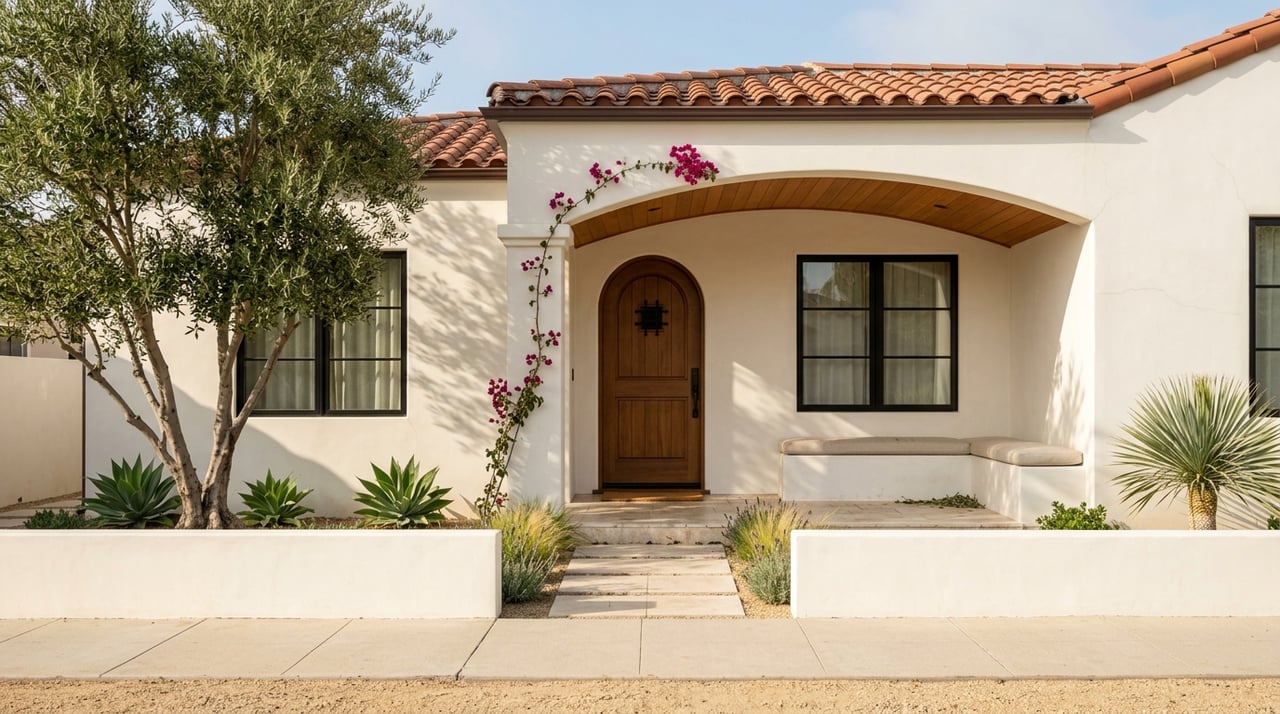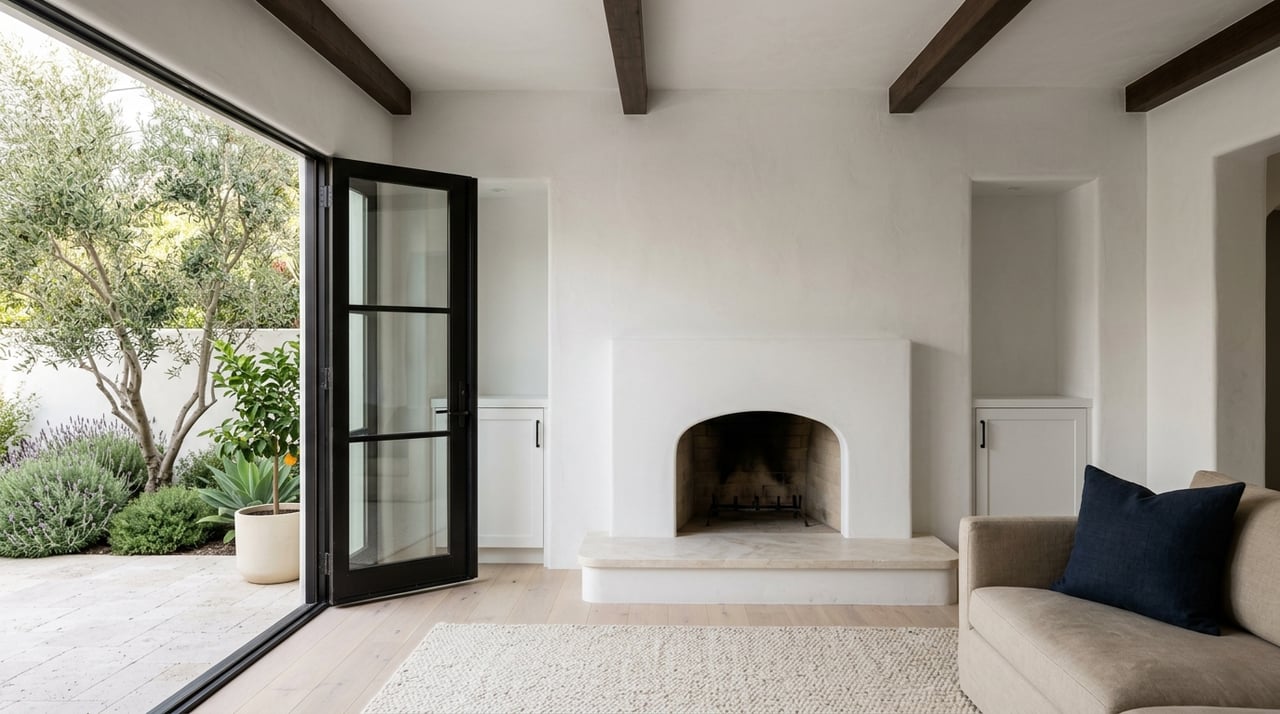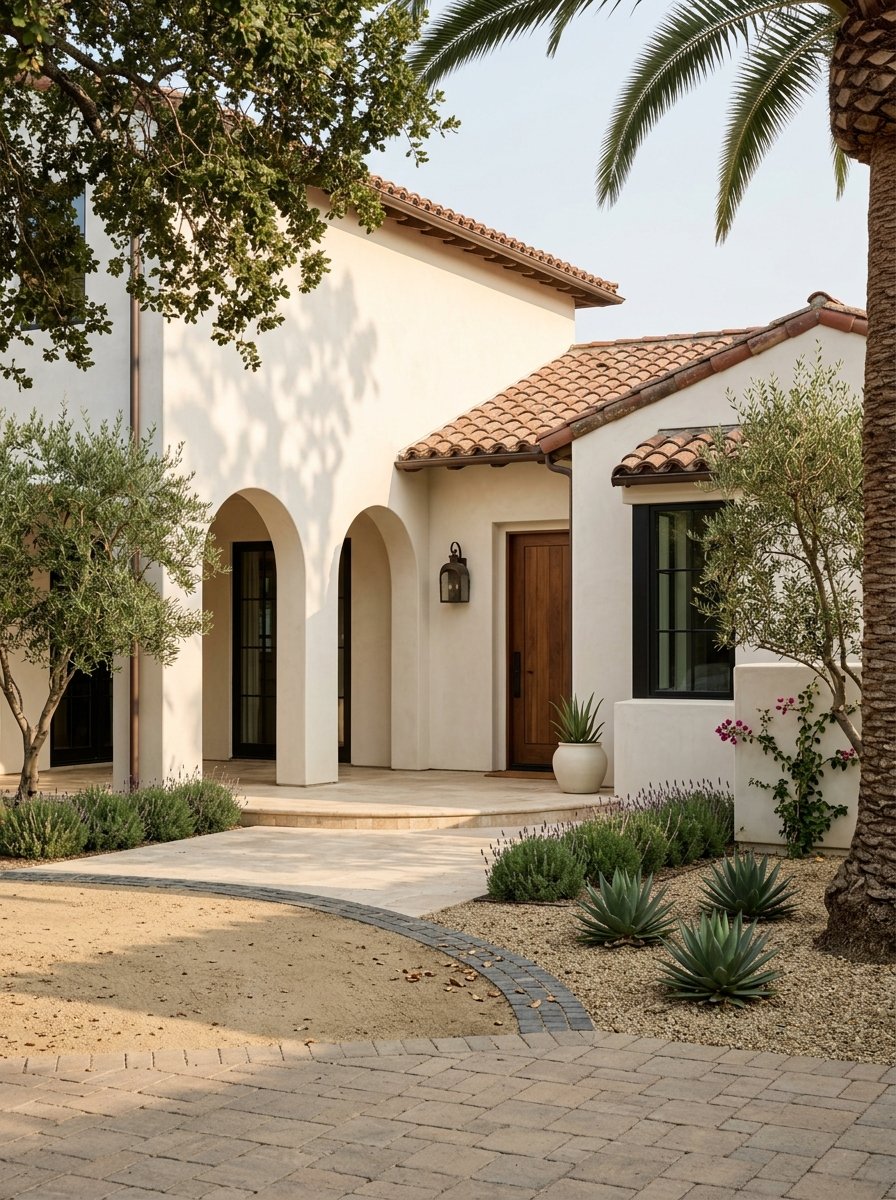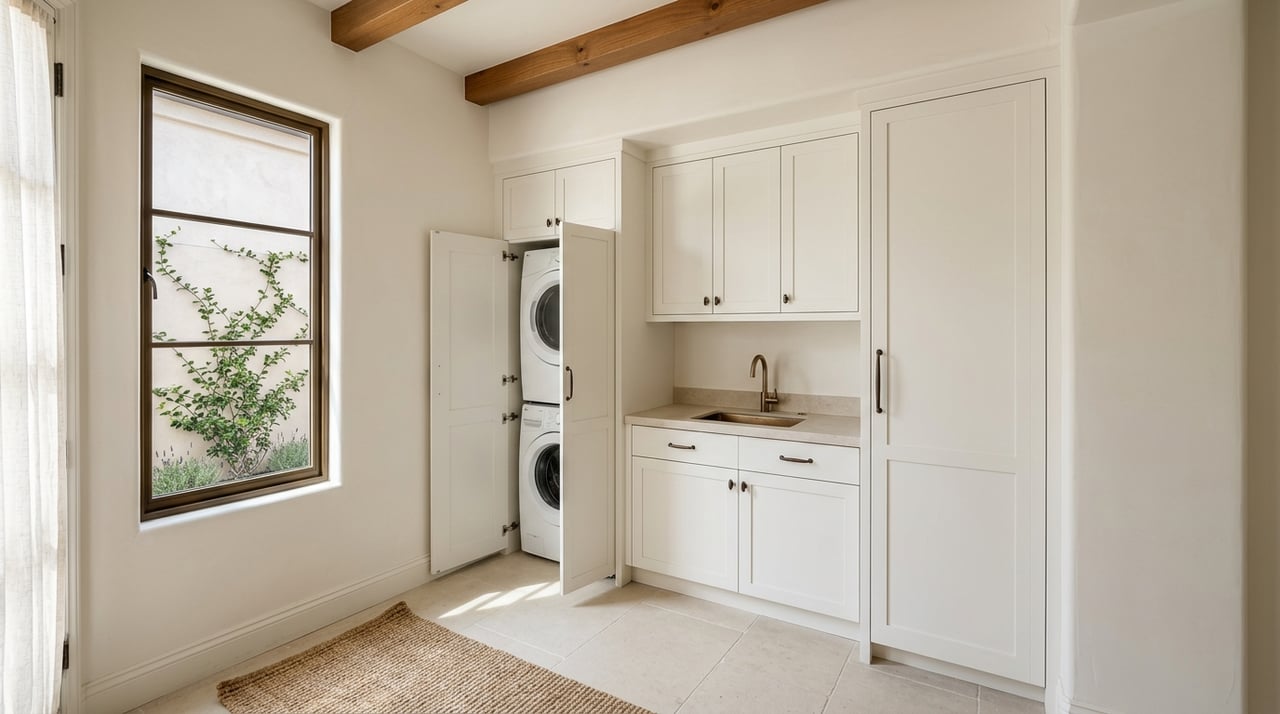
Are you dreaming of a beach cottage you can enjoy without turning every visit into a maintenance project? If you want a home near the coast that feels easy to own, easy to leave, and easy to return to, Summerland deserves a closer look. This small coastal community offers the charm many buyers want, but it also comes with practical ownership details that matter. Let’s dive in.
Why Summerland Works for Cottage Living
Summerland sits between Santa Barbara and Carpinteria in the southern part of Santa Barbara County. Its commercial core is compact, centered around Ortega Hill Road and Lillie Avenue just north of U.S. 101, with a small stretch of restaurants, gift shops, bed-and-breakfast inns, and antique shops.
That layout supports the appeal of a low-maintenance beach cottage. When a town is compact and daily needs are concentrated in a small area, you may not need the scale, upkeep, or storage demands that often come with a larger coastal property.
Summerland Beach at Lookout Park also fits this lifestyle. The area is designed for day use, with grills, picnic tables, a playground, a volleyball court, and restrooms, and overnight camping is not allowed on the beach or in the parking lot.
For many buyers, that creates a clear ownership picture. Your home can be a comfortable coastal base for weekends or part-time use, without the expectation of running a larger estate-style property.
What Makes a Beach Cottage Low-Maintenance
A true low-maintenance cottage is not just small. It should be simple to close up, practical to manage, and designed to support the way you actually use the home.
In Summerland, a few features stand out as especially important:
- Compact footprint
- Easy-to-close-up floor plan
- Off-street parking
- Useful interior storage
- Simple outdoor space
- Good drainage for seasonal rain
These details matter because many streets in Summerland’s Urban Grid are narrow, some are steep, and outside the commercial core they often lack curb or sidewalk improvements. That means everyday logistics can shape how convenient a property feels over time.
Parking and Storage Matter More Than You Think
In a beach community, storage and parking are not small details. They can make the difference between a cottage that feels effortless and one that becomes frustrating.
County coastal planning specifically highlights parking, beach access, and pedestrian and bicycle circulation as important policy issues in Summerland. For buyers, that makes it smart to look closely at driveway turning room, garage depth, guest parking, and whether the property has enough indoor storage for boards, bikes, umbrellas, and other beach gear.
This is especially relevant because long-term storage of boats, trailers, RVs, and other items in the public right of way can create safety and aesthetic issues. In simple terms, a home that handles your gear on-site will usually be easier to own and easier to leave in good order.
Keep Outdoor Spaces Simple
A low-maintenance beach cottage usually has an outdoor setup that is easy to care for. In Summerland, that often means a smaller patio, low-irrigation landscaping, and drainage that can handle seasonal weather without creating ongoing work.
Santa Barbara County’s Summerland rainfall gauge shows a mean yearly rainfall of 18.86 inches from 1971 through 2025. At the same time, county emergency planning identifies drought as one of the local hazards residents should plan for.
That combination is a helpful reminder. The best outdoor spaces are often the ones that look good, function well, and do not require constant watering, heavy planting, or complicated upkeep.
A Car-Light Lifestyle Is Possible
One of Summerland’s advantages is that parts of town support a more flexible day-to-day routine. The community plan notes that the commercial core includes sidewalks, curb ramps, formalized parking, crosswalks, bike lanes, a sheltered transit stop, landscaping, and street lights.
Summerland also has access to MTD Route 20, the community’s fixed public bus route linking Summerland with Santa Barbara, Montecito, and Carpinteria. In addition, regional transportation improvements in 2025 opened new Highway 101 carpool lanes, ramps, and the Santa Claus Lane Bikeway to improve congestion and coastal access.
For you, this may mean a cottage does not need to function like a fully isolated retreat. Depending on location, it may support more walkable or car-light habits, which can be a real benefit for part-time ownership.
Coastal Rules Buyers Should Understand
Summerland’s appeal is closely tied to the coast, but that also means buyers need to understand the planning environment. The Urban Grid is entirely within the Coastal Zone, and county planning has been updated to protect beach access trails and public coastal parking.
This matters because coastal ownership is not just about the view or location. It is also about understanding how access, land use, and future property changes may be shaped by coastal policy.
If you are considering a bluff-adjacent or beach-adjacent cottage, this becomes even more important. The California Coastal Commission’s Summerland report explains that new seawalls are generally disfavored unless no less damaging alternative exists, shoreline alterations must avoid harm to sand supply and lateral beach access, and permanent above-ground structures on the dry sandy beach are generally prohibited except in limited circumstances.
The takeaway is practical. If you are buying near the shoreline, do not assume future hardening, additions, or access changes will be simple.
Hazard Planning Matters for Part-Time Owners
A lock-and-leave home still needs an ownership plan. Santa Barbara County’s Coastal Resiliency Project is evaluating sea-level rise and related coastal hazards along the county coastline, and county emergency resources identify wildfire, earthquake, storm readiness, floods, power outages, tsunami, extreme heat and cold, and drought as hazards residents should plan for.
If you will not be in the home full-time, your due diligence should go beyond finishes and floor plans. It is wise to review evacuation routes, understand any flood or bluff exposure, and make sure you know how local alerts and emergency updates work.
A beach cottage can absolutely be low-maintenance, but it should never be treated as a property you can simply close up and forget. The most successful ownership experience usually comes from planning ahead.
Verify Rental Use Before You Assume Income
Some buyers hope to offset costs by renting the property when they are away. In Summerland, that question should be answered carefully and early.
Santa Barbara County has a dedicated Short-Term Rental Ordinance and coastal-zone FAQ resources. That means rental eligibility should be verified on a parcel-by-parcel basis before you make any assumptions about income or future use.
This is one of the most important parts of smart due diligence. A property may fit your lifestyle goals as a second home even if it does not fit a rental strategy, and it is better to know that before you close.
Check Utility and District Details
When you buy from afar, it is easy to assume service details will sort themselves out. In Summerland, it is better to verify them directly.
The County Surveyor’s Summerland Sanitary District map shows separate district boundaries and annexation history. That is a good reminder to confirm sewer, water, district boundaries, and other parcel-level service details rather than relying on assumptions.
These checks may not be the most exciting part of buying a beach cottage, but they can save you time and stress later. Clear information upfront makes remote ownership much easier.
What to Look for in a Summerland Cottage
If your goal is a lower-stress ownership experience, focus on homes that support simple, practical living. In Summerland, that often means choosing function over size.
A strong checklist may include:
- A manageable interior footprint
- Off-street parking with enough turning room
- Garage or enclosed storage for beach gear
- Outdoor areas that are small and easy to maintain
- A layout that is easy to secure when away
- Clear understanding of hazard exposure and local alerts
- Verified utility, district, and rental details
This kind of property tends to align best with how Summerland actually works. It lets you enjoy the coastal setting while keeping ownership responsibilities realistic.
Why Local Guidance Makes a Difference
Summerland may look relaxed and simple on the surface, but buying well here takes local knowledge. Small-lot layouts, parking realities, Coastal Zone considerations, district details, and part-time ownership planning can all affect which homes truly fit a low-maintenance lifestyle.
That is where experienced local representation becomes valuable. If you want help identifying cottages that match your goals, evaluating practical tradeoffs, and navigating the details with clarity, Rachel E Brown can help you move forward with confidence.
FAQs
What makes a Summerland beach cottage low-maintenance?
- A low-maintenance Summerland cottage usually has a compact layout, off-street parking, useful indoor storage, simple outdoor areas, and a setup that is easy to secure when you are away.
Why is off-street parking important for a Summerland cottage?
- Off-street parking matters because many Summerland streets are narrow, some are steep, and storage in the public right of way can create practical issues, so on-site parking and storage can make ownership much easier.
Can you live car-light in Summerland?
- In some parts of Summerland, yes. The commercial core includes sidewalks, crosswalks, bike lanes, formalized parking, and a sheltered transit stop, and MTD Route 20 connects Summerland with nearby coastal communities.
What coastal rules should buyers know in Summerland?
- Buyers should know that Summerland’s Urban Grid is in the Coastal Zone and that shoreline changes, seawalls, and some beach-adjacent improvements may be restricted by coastal access and hazard policies.
Can you use a Summerland cottage as a short-term rental?
- Possibly, but eligibility should be verified for the specific parcel because Santa Barbara County regulates short-term rentals and coastal-zone rules may affect what is allowed.
What should part-time owners check before buying in Summerland?
- Part-time owners should review parking, storage, drainage, utility and district details, hazard exposure, evacuation planning, and local alert options before closing.