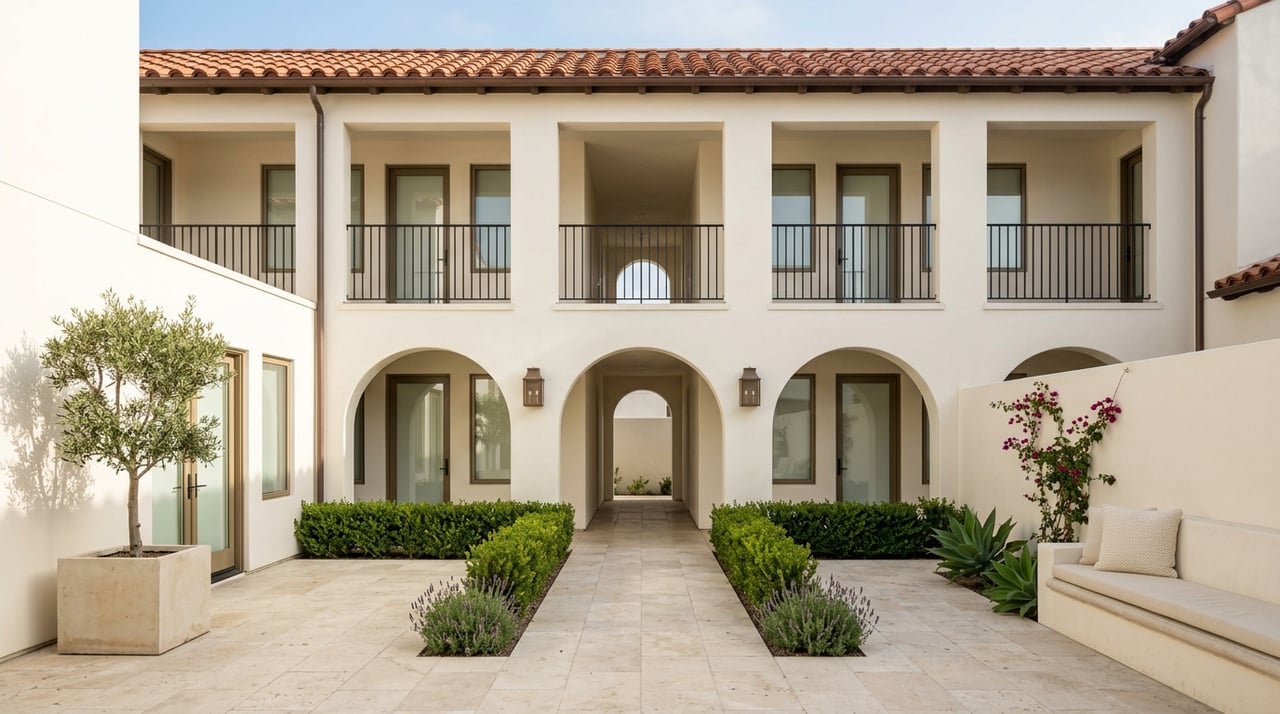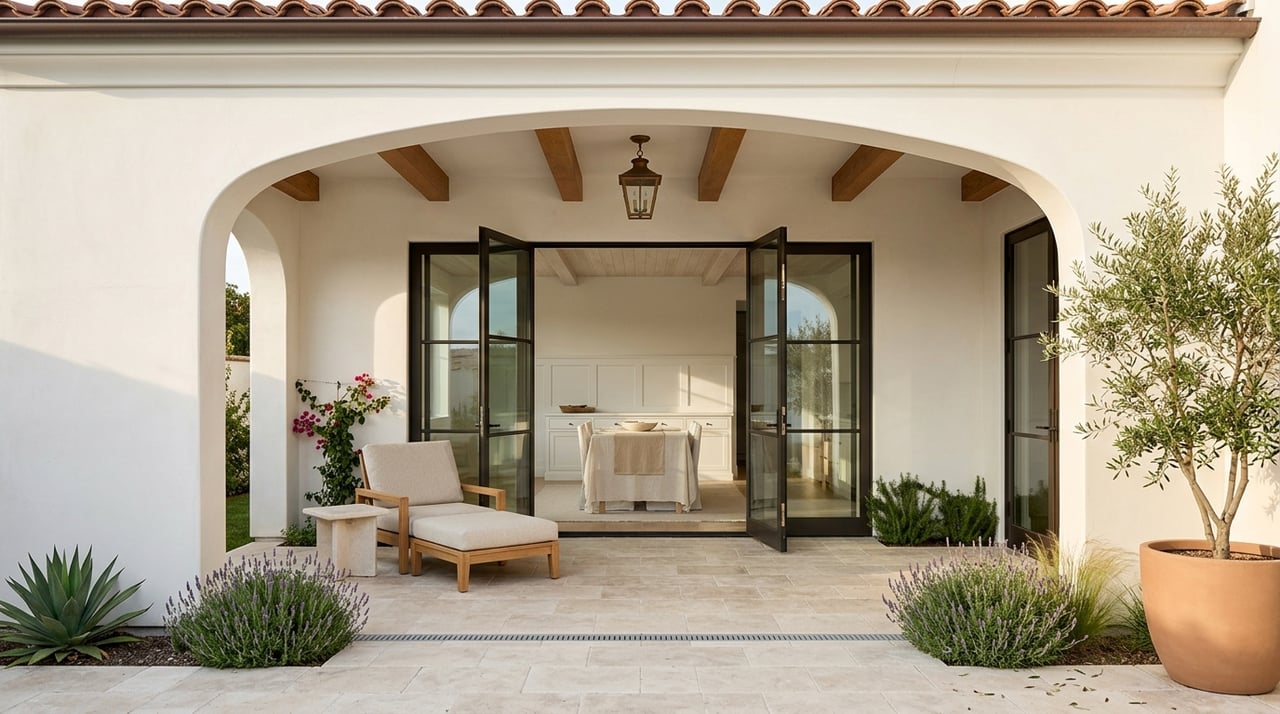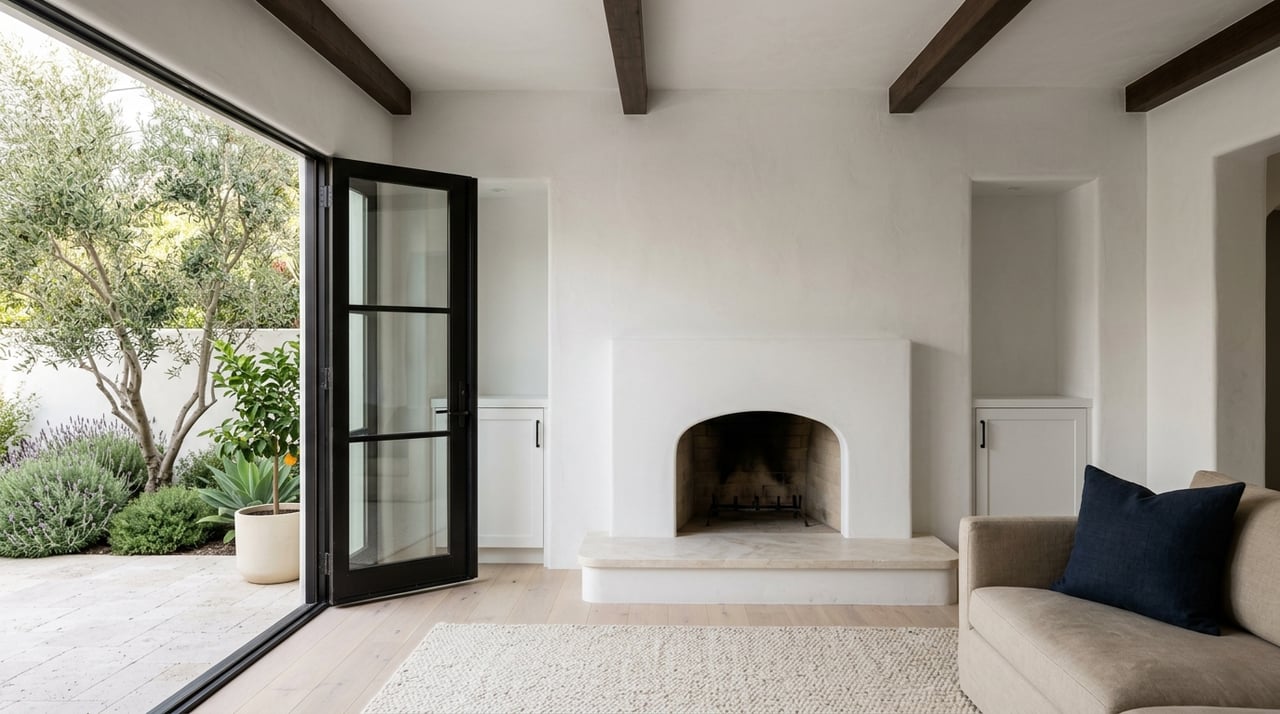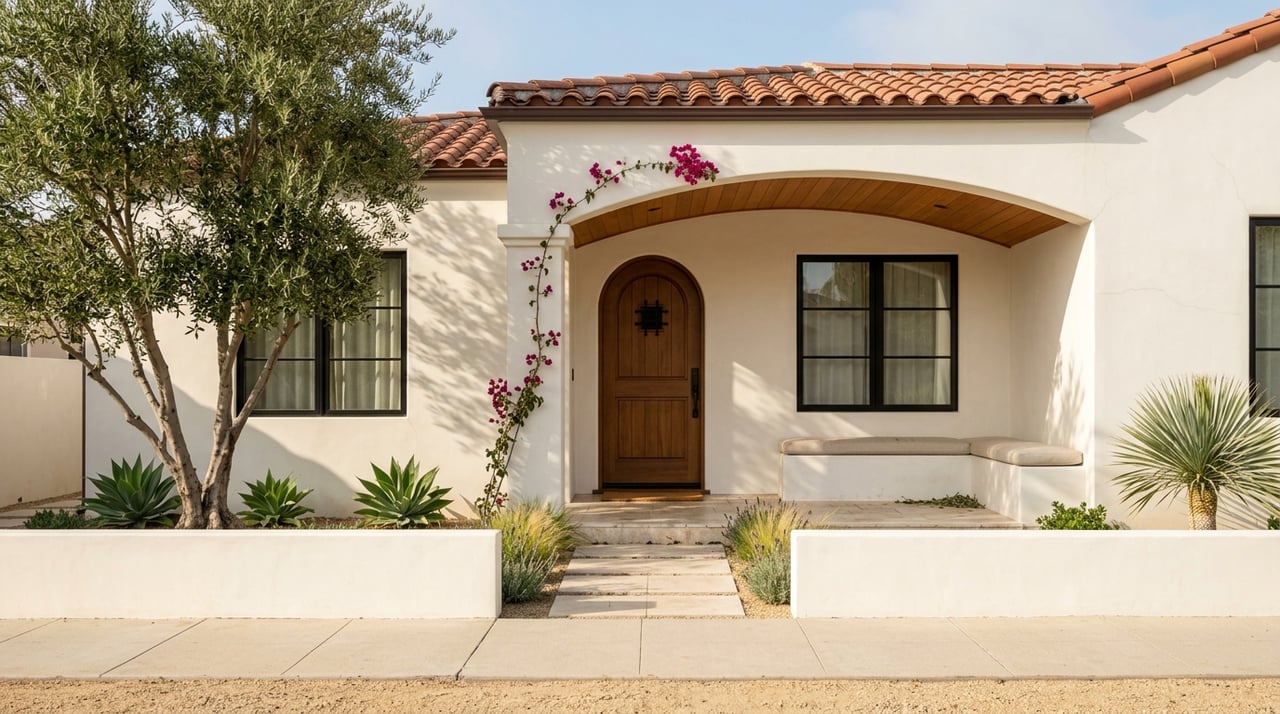
What does everyday life in Summerland, California actually feel like when the ocean is part of the backdrop, the main street is compact, and the pace is a little more grounded than hurried? If you are thinking about a move, a second home, or simply narrowing down Santa Barbara County neighborhoods, that question matters. Summerland offers a very specific kind of coastal lifestyle, and understanding its day-to-day rhythm can help you decide whether it fits the way you want to live. Let’s take a closer look.
Summerland at a glance
Summerland is an unincorporated coastal community in southern Santa Barbara County, set between Santa Barbara and Carpinteria with the Pacific Ocean along its southern edge. It is small in scale, with a commercial core centered on Lillie Avenue and Ortega Hill Road just north of U.S. 101.
That core is notably compact. County planning documents describe it as about one block deep on either side of Lillie Avenue and roughly five blocks long. In practical terms, that gives Summerland a village-like feel rather than the spread-out pattern you might expect in a larger beach town.
Why Summerland feels different
One of Summerland’s defining traits is how quickly the setting changes from one area to another. Near Lillie Avenue, you get a more active, walkable pocket with shops, dining, and public improvements such as sidewalks, curb ramps, crosswalks, bike lanes, lighting, and a transit stop.
Move beyond that central corridor, and the experience shifts. Residential areas are generally quieter, with narrow streets, steep north-south blocks, and a layout that often lacks curbs, gutters, and sidewalks. That gives many parts of Summerland a more hillside-neighborhood feel than a classic fully built-out beach grid.
Daily life around Lillie Avenue
If you picture the most convenient day-to-day part of Summerland, start with Lillie Avenue. This is the area where the community’s commercial life is concentrated, and it helps shape the local rhythm in a very real way.
The business mix supports a lifestyle built around simple routines and easy stops. You can grab coffee, browse home and gift shops, pick up lunch, and linger over dinner or a tasting room visit without needing a big agenda.
A few examples help bring that to life:
- Red Kettle Coffee offers locally roasted coffee, hand-blended teas, pastries, dog-friendly patios, free Wi-Fi, and local gifts.
- Summerland Beach Cafe is a dog-friendly breakfast and lunch spot in a Victorian house with porch and patio seating.
- Field + Fort offers takeout and garden seating on Lillie Avenue.
- The Well focuses on home décor, outdoor furniture, art, rugs, and gifts.
- Summerland Winery has a tasting room on Lillie Avenue.
- The Nugget is a longtime area restaurant known for patio dining and a broad menu.
Together, that mix gives Summerland a browse-friendly and lived-in feel. It is scenic, yes, but it also functions as a real neighborhood center.
Beach access is part of the routine
In Summerland, coastal living is not only about views. It is also about access. Public shoreline entry points are a meaningful part of how people experience the area day to day.
County and Coastal Commission materials identify four public accessways in the plan area:
- Lookout Park
- Morris Place
- Finney Street East
- Loon Point
Lookout Park and nearby Morris Place include a short beach trail through a eucalyptus grove. That kind of access helps make the beach feel like part of a normal week, not just a special outing.
Getting around in Summerland
Summerland is easy to understand once you know one key detail: U.S. 101 and the Union Pacific Railroad separate most of the community from the ocean. Even with that physical divide, residents can still walk or bike to the local commercial area or shoreline.
Santa Barbara MTD’s Line 20 also serves the Santa Barbara-Carpinteria corridor through Summerland. That adds another option for daily movement, especially if you want access up and down the coast without always getting in the car.
Still, this is not a place where every block feels equally pedestrian-oriented. The most walkable pockets are around the commercial core, while residential streets can be steeper and less sidewalk-rich.
A small-town coastal rhythm
The appeal of Summerland is not just that it is near the beach. It is that the community feels compact enough to learn quickly and personal enough to feel familiar.
A typical day here can be simple in the best way. You might start with coffee, spend time browsing along Lillie Avenue, head toward one of the public beach access points, and wrap up with a casual meal nearby. That is not a promise of any one routine, but it is a fair reflection of the business mix and access pattern that shape the area.
What prospective buyers should notice
If you are considering Summerland, it helps to look beyond the postcard version of coastal living. The setting is appealing, but the practical details are what tell you whether the area matches your lifestyle.
Here are a few important things to keep in mind:
Compact core, quieter edges
The most active and convenient part of Summerland is concentrated in and around the commercial center. Once you leave that zone, the neighborhood becomes more residential and less built around walking convenience.
Walkability depends on location
Some parts of Summerland are easier to navigate on foot than others. If being close to shops, dining, and beach access matters to you, your exact location within the community will make a difference.
Coastal access matters here
Public accessways are a major part of the local lifestyle. If you want a neighborhood where beach time can fit into ordinary routines, Summerland stands out for that reason.
The community has a strong local identity
The Summerland Citizens’ Association describes its role around advocacy, beautification, protection, and preservation. That gives you a good sense of local priorities. Neighborhood character and coastal access matter here.
Summerland’s residential feel
Summerland can feel both residential and visitor-oriented at the same time. The business directory includes property-management and vacation-rental services, which suggests a visible guest-stay presence alongside full-time neighborhood life.
For many buyers, that mix is part of the appeal. It creates an area that feels active and welcoming, while still remaining small enough to feel personal and grounded.
Is Summerland the right fit for you?
Summerland may be a strong fit if you want a compact coastal home base with a true main street, nearby beach access, and a quieter residential setting once you move away from the center. It can also appeal if you value a location between Santa Barbara and Carpinteria and want a community that feels established rather than sprawling.
At the same time, it helps to be realistic. Summerland is not uniformly walkable, and its hillside layout can feel very different from flatter, more sidewalk-oriented neighborhoods. Knowing that distinction early can help you focus your search more effectively.
If you are exploring Summerland as a primary residence, second home, or future investment in the Santa Barbara coastal corridor, local guidance can make a big difference. For thoughtful, neighborhood-specific insight and discreet representation, connect with Rachel E Brown.
FAQs
What is everyday life like in Summerland, California?
- Everyday life in Summerland often centers on a compact commercial area along Lillie Avenue, nearby public beach access, and quieter residential streets with a more hillside neighborhood feel.
Is Summerland, California walkable?
- Summerland is walkable in pockets, especially around Lillie Avenue and the commercial core, but it is not uniformly pedestrian-oriented across the whole community.
Where is Summerland located in Santa Barbara County?
- Summerland is an unincorporated coastal community in southern Santa Barbara County, located between Santa Barbara and Carpinteria.
How do you access the beach in Summerland?
- Public accessways in the Summerland plan area include Lookout Park, Morris Place, Finney Street East, and Loon Point.
What kinds of businesses are in Summerland’s commercial area?
- Summerland’s commercial core includes coffee, dining, home décor and gift shopping, and a tasting room, which supports a relaxed and browse-friendly daily rhythm.
What should homebuyers know about Summerland neighborhoods?
- Homebuyers should know that Summerland’s experience changes by location, with the most convenient day-to-day access near the commercial core and quieter, steeper residential streets beyond it.