Wondering whether Hope Ranch is the right coastal fit for your lifestyle, or if another Santa Barbara neighborhood makes more sense? That question comes up often because these areas can all look appealing on the surface, yet they offer very different daily experiences. If you are comparing privacy, beach access, neighborhood layout, and overall feel, this guide will help you sort through the key differences with more clarity. Let’s dive in.
Why Hope Ranch Stands Apart
Hope Ranch is not best viewed as a typical Santa Barbara beach neighborhood. It is an unincorporated, county-governed coastal enclave with a strong homeowners association structure layered on top of county land-use rules. That setup gives it a different feel from neighborhoods that are more directly shaped by city streets, public-serving amenities, or mixed-use activity.
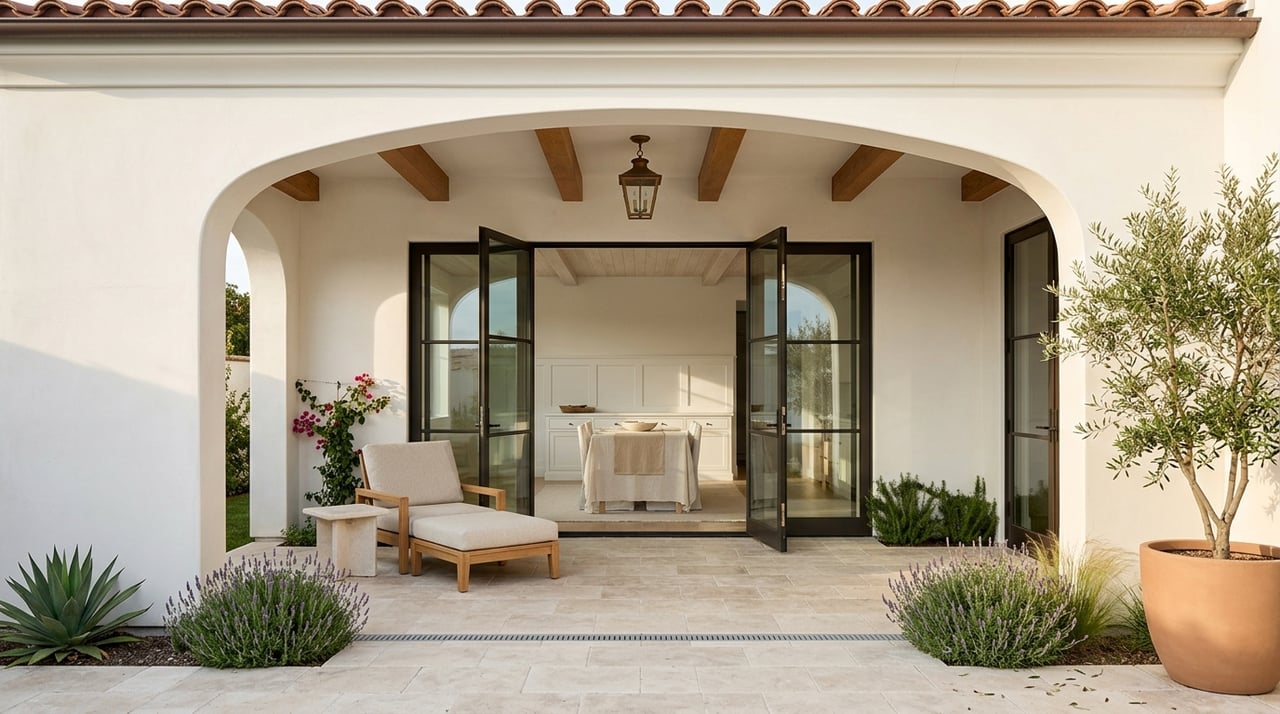
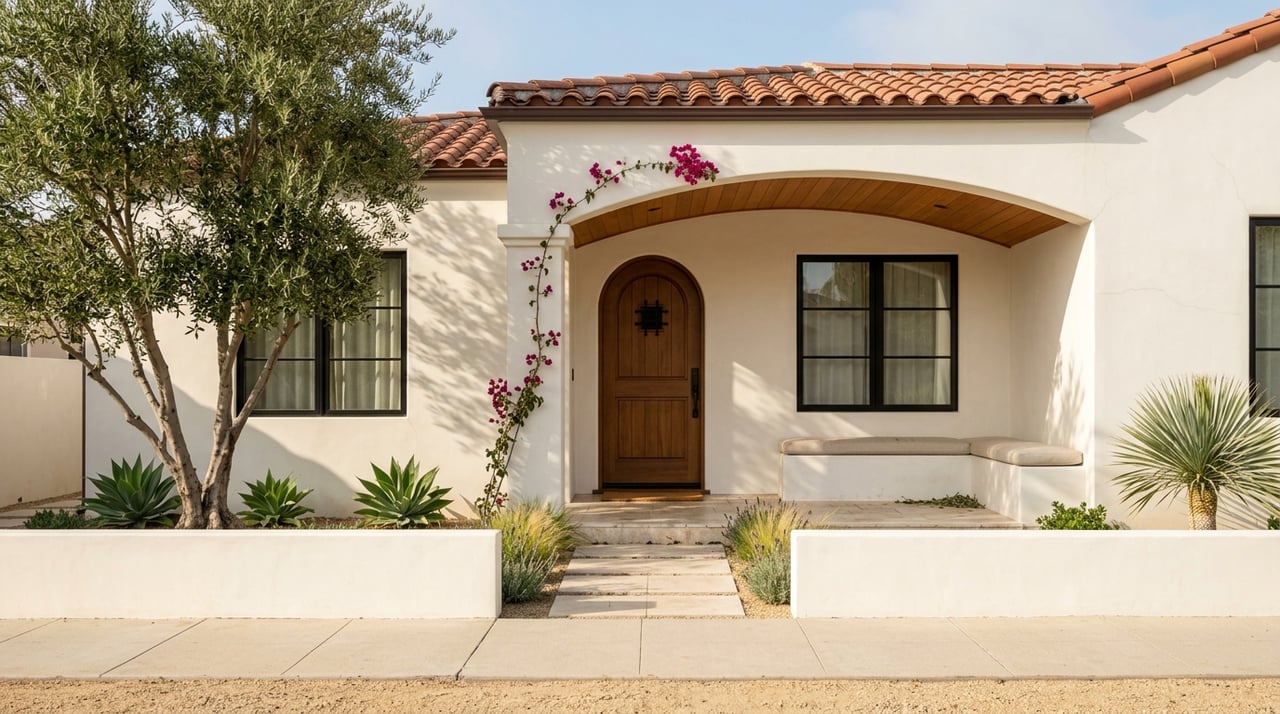
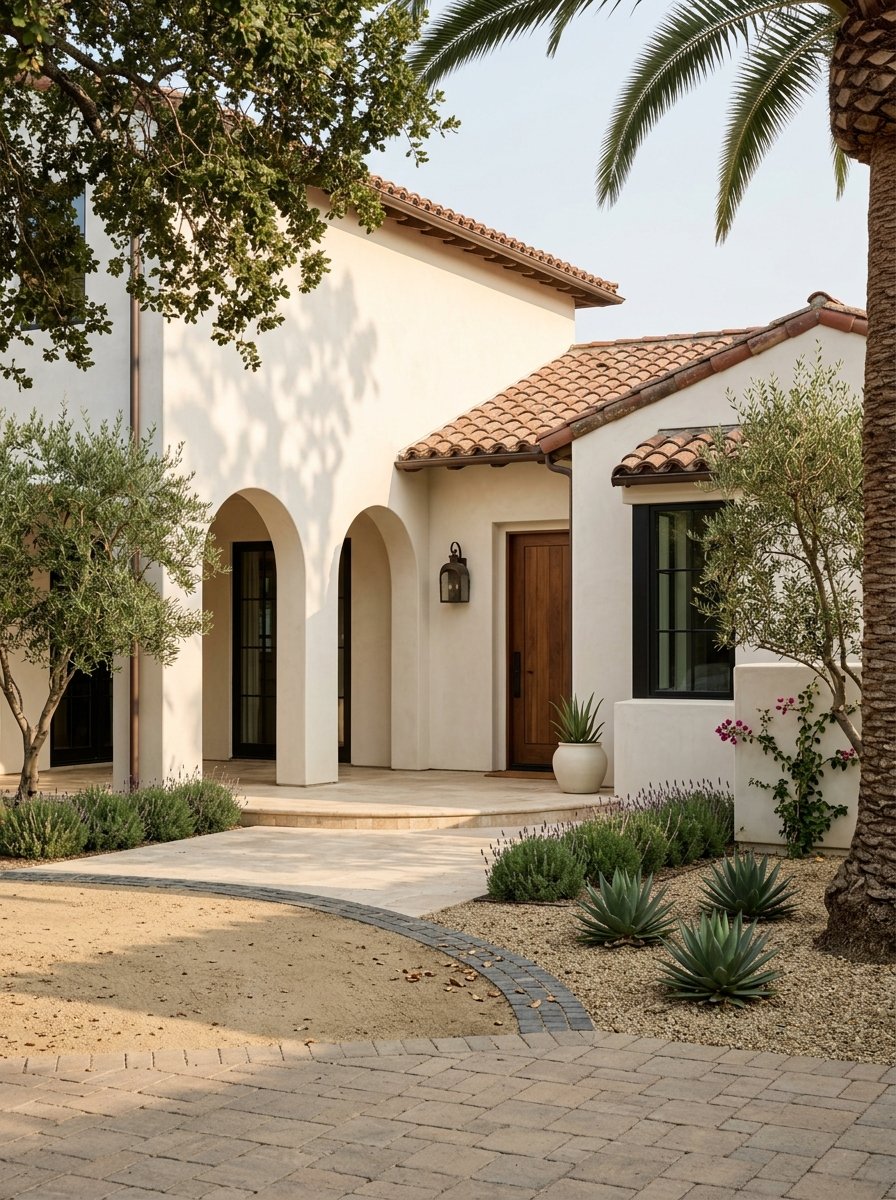
The area is also defined by its estate-style residential pattern. Hope Ranch guidelines emphasize single-family homes, privacy, compatibility with surrounding properties, and protection of views and rural character. Those same guidelines also address accessory structures like guesthouses, barns, stables, corrals, pool houses, and garages, which helps explain why buyers often see Hope Ranch as its own category.
Another major distinction is how the lifestyle is organized. Instead of revolving around public beach programming, retail corridors, or visitor activity, Hope Ranch is known for private roads, equestrian trails, and coastal access tied to a more insulated residential setting. If you are looking for a coastal environment with space and separation from urban activity, that difference matters.
Hope Ranch Lifestyle at a Glance
When buyers picture Hope Ranch, they are often responding to a few core features working together:
- Larger residential lots
- A single-family, estate-oriented setting
- Architectural review and design controls
- Private roads and equestrian trail access
- A semi-rural coastal feel
- An emphasis on privacy and view protection
For some buyers, that combination is the goal. For others, it can feel less convenient than neighborhoods with closer access to shopping, restaurants, and public gathering spaces. The right fit depends on how you want your everyday life to look.
Hope Ranch vs Montecito
Montecito is usually the closest comparison because both areas appeal to buyers looking for low-density coastal living and a more estate-oriented setting. The difference is that Montecito is shaped through the county’s community-planning framework with parcel-level land-use and density designations, and it includes a wider mix of settings within the community.
According to the Montecito Community Plan, parts of Montecito include semi-rural single-family homes on one-acre-or-larger lots, varying parcel sizes, historic estates, and a mix of larger homes and smaller cottages. That gives Montecito more internal variety than many buyers expect at first glance. You may find a broader range of estate environments there, depending on the specific area.
Montecito also has a clearer village center. The plan identifies “The Village” as the primary commercial center, which creates a more obvious internal hub than you find in Hope Ranch. In simple terms, Montecito tends to feel like a semi-rural estate community with a village heart, while Hope Ranch feels more like a tightly controlled residential enclave centered on privacy, trails, and private-road living.
When Montecito May Be the Better Fit
Montecito may suit you better if you want:
- High-end, low-density living
- A broader mix of estate settings
- A more visible commercial or village center
- A community with more internal variation
When Hope Ranch May Be the Better Fit
Hope Ranch may suit you better if you want:
- A stronger HOA-based identity
- More emphasis on privacy and architectural control
- Private roads and equestrian-oriented amenities
- A more contained residential atmosphere
Hope Ranch vs the Mesa
The Mesa is one of the most common alternatives for buyers who want coastal views but a different lifestyle than Hope Ranch offers. Santa Barbara City College describes the Mesa as stretching above the city from SBCC to Hendry’s Beach for about 2.7 miles, with parks, beach access, ocean views, shopping, restaurants, services, and several apartment complexes. That profile alone sets it apart from Hope Ranch.
City coastal planning documents further describe the Mesa as bluff-top terrain, including the gently sloping ocean bluff-top terrace of the East and West Mesa. The area’s geography plays a major role in its identity, and places like Mesa Lane Steps Beach highlight how the coastline interacts with the bluff setting. This gives the Mesa a more visibly connected relationship to public coastal access.
From a practical standpoint, the Mesa is more mixed in housing type and often more convenient for daily errands and neighborhood services. Hope Ranch, by contrast, generally offers more land, more privacy, and more separation from city activity. If you are deciding between the two, the key question is often whether you value convenience and variety or space and seclusion.
Key Lifestyle Differences Between Hope Ranch and the Mesa
| Feature | Hope Ranch | The Mesa |
|---|---|---|
| Setting | Semi-rural coastal enclave | Bluffside city neighborhood |
| Housing pattern | Primarily single-family estates | More mixed housing types |
| Roads and access | Private-road character | More typical city access |
| Lifestyle feel | Private, quiet, insulated | Convenient, active, service-rich |
| Amenities focus | Trails, privacy, residential character | Parks, beach access, shopping, restaurants |
Hope Ranch vs East Beach, West Beach, and the Waterfront
If Hope Ranch represents privacy and separation, East Beach, West Beach, and the Waterfront represent the opposite end of the coastal spectrum. These areas are much more public, activity-driven, and shaped by recreation, tourism, and mixed-use energy. They are great comparisons if you are trying to decide between a quieter estate setting and a more urban coastal lifestyle.
East Beach is especially public-facing. The city describes it as a park with beach access, picnic sites, a playground, sport courts, water play, parking, a restaurant, and more than a dozen volleyball courts. A current planning staff report also notes that East Beach includes a mix of industrial, manufacturing, hotel-motel, residential, and public-facility uses, with hotel, apartment, and condominium development east of Milpas Street.
West Beach is even more visitor-oriented. The city places it between Stearns Wharf and the Harbor, identifies it as a popular tourist area, and notes that it is used for large public events like the city’s Fourth of July celebration. Planning materials also describe West Beach as a dense multi-unit neighborhood with residential, tourist, and apartment buildings.
The Waterfront is different again because it is not really a residential comparison in the same way. The city says the Waterfront Department manages the Harbor and Stearns Wharf for recreation and commercial use, with boating services, parking, visitor services, public safety, and special events built into how the district operates. If you want to live near an active coastal destination, it can be appealing. If you want a residential enclave, Hope Ranch is a very different experience.
Which Coastal Setting Fits Your Priorities?
One of the easiest ways to compare these areas is to match them to your daily priorities rather than just price point or prestige. A neighborhood can look beautiful on paper but still feel wrong for how you actually want to live. That is why lifestyle fit matters so much in Santa Barbara’s micro-markets.
Hope Ranch is often the strongest match if you want privacy, larger residential lots, equestrian-oriented amenities, architectural control, and a semi-rural coastal feel. Montecito may be a better fit if you want a similarly high-end, low-density environment with a clearer village center and more variation from one area to another. The Mesa may make more sense if you want bluffside views, beach access, and day-to-day convenience in a more mixed neighborhood setting.
East Beach, West Beach, and the Waterfront usually appeal to buyers who want immediate access to public beach life, events, and a more active coastal environment. Those areas are less about insulation and more about energy, access, and public-facing amenities. Neither approach is better in the abstract. It simply depends on what you want your home base to deliver.
A Smarter Way to Compare Hope Ranch
If you are serious about comparing Hope Ranch with other Santa Barbara coastal neighborhoods, it helps to go beyond broad impressions. Focus on how each area handles land use, housing type, daily convenience, privacy, and the balance between residential life and public activity. Those factors usually shape your long-term satisfaction more than a quick first impression.
In a market as nuanced as Santa Barbara, neighborhood guidance can make a real difference, especially when inventory, property style, and access to off-market opportunities vary from one micro-market to the next. Whether you are looking for a private estate setting or a more active coastal location, working with a local advisor can help you narrow the field faster and with more confidence.
If you want help comparing Hope Ranch to Montecito, the Mesa, or Santa Barbara’s beach districts, Rachel E Brown offers thoughtful, discreet guidance tailored to your goals.
FAQs
How is Hope Ranch different from other Santa Barbara coastal neighborhoods?
- Hope Ranch stands out for its unincorporated county setting, strong homeowners association structure, single-family estate pattern, private roads, equestrian trails, and emphasis on privacy and rural character.
Is Hope Ranch more similar to Montecito or the Mesa?
- Hope Ranch is generally more similar to Montecito in terms of low-density coastal living, but Montecito has a clearer village center and more internal variety, while the Mesa is more mixed, bluffside, and convenience-oriented.
What type of housing is most common in Hope Ranch?
- Hope Ranch is overwhelmingly defined by single-family, estate-oriented residential development, with guidelines that also address structures such as guesthouses, barns, stables, corrals, pool houses, and garages.
Are East Beach and West Beach good alternatives to Hope Ranch?
- They can be, if you want a more public, active coastal lifestyle with beach access, events, and mixed-use surroundings rather than privacy, larger lots, and a more insulated residential setting.
Who is Hope Ranch usually best for?
- Hope Ranch is often the best fit for buyers who value privacy, land, architectural control, equestrian-oriented amenities, and a semi-rural coastal environment.