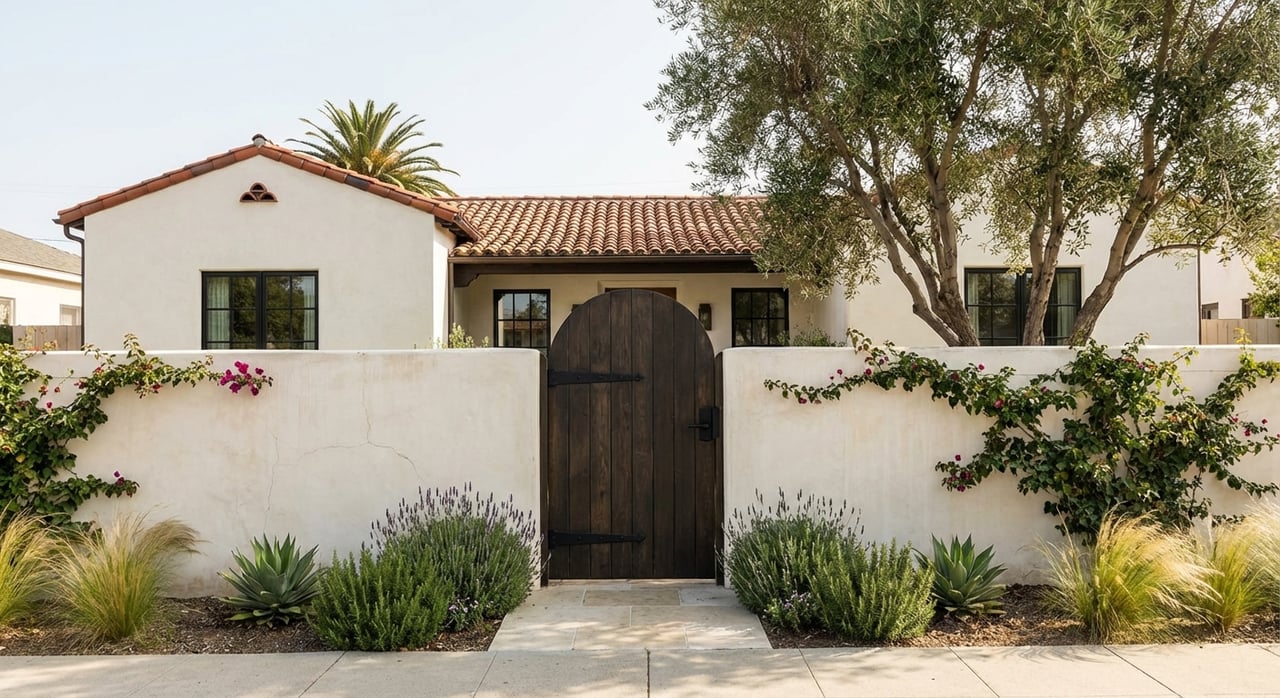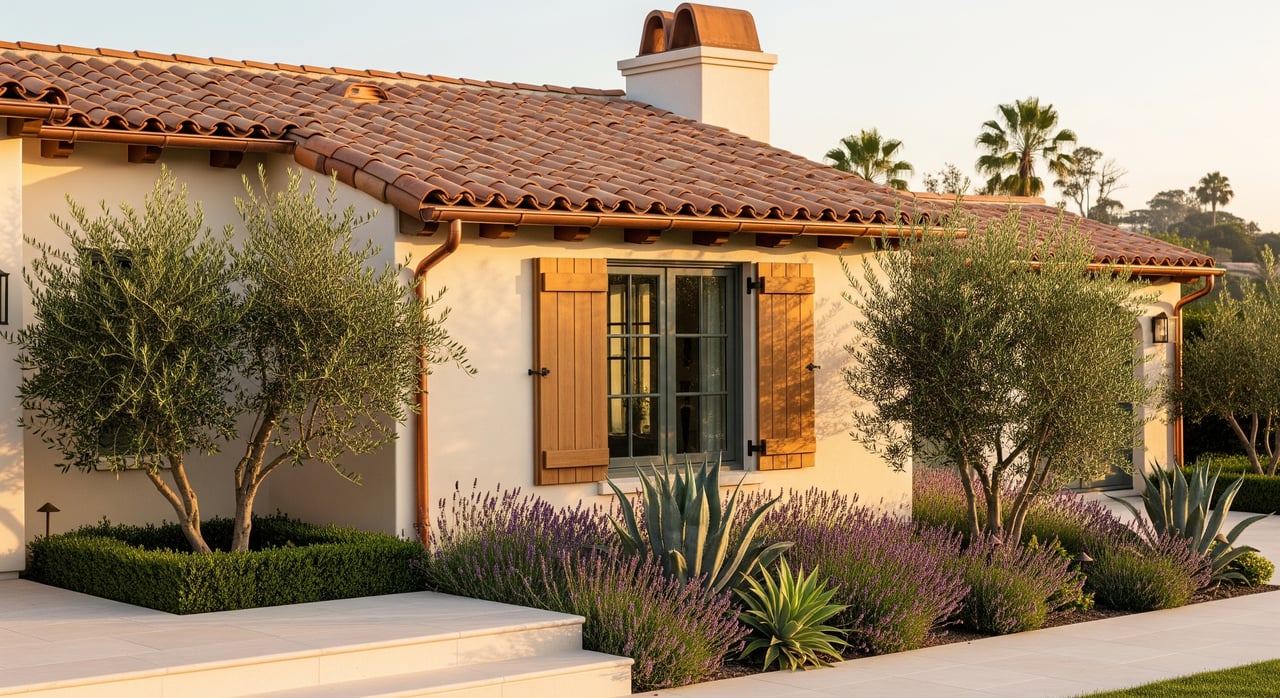
Salt, sun, and onshore wind are part of everyday life in Montecito. They also work quietly on your home, from metal railings and roof flashings to decks, paint, and landscaping. If you own or plan to buy near the coast, a smart maintenance plan protects your investment and keeps small issues from becoming expensive repairs. In this guide, you’ll learn what to watch, how often to service it, and which materials stand up best in our climate. Let’s dive in.
Why coastal homes need special care
Montecito’s Mediterranean climate is moderated by the Pacific. Marine air carries salt that accelerates corrosion, and fog or marine layer can keep surfaces damp. Winter storms test roofs, drainage, and slopes, while mild temperatures encourage year-round wear that is easy to miss.
You also need to account for local hazards. Coastal erosion and slope stability affect bluff and hillside homes. Low-lying areas may face seasonal flooding. Wildfire embers are a consideration for vents, soffits, and landscape clearances. A plan that addresses these realities will keep your home resilient.
Exterior materials that last
Roofs: tile, metal, or shingle
Tile roofs perform well near salt air and UV, but you should inspect for broken tiles and underlayment issues. Pay special attention to flashings and fasteners where corrosion can start. Asphalt shingles tend to age faster by the ocean and may need earlier replacement than inland.
Metal roofing can be an excellent choice when proper alloys and coatings are used. Confirm fasteners are corrosion resistant, and schedule a professional roof inspection every 1 to 3 years, plus any time after a major storm.
Siding and cladding choices
Cement stucco performs well when installed with proper weep details and flashing. Watch for hairline cracks and repair promptly to prevent moisture intrusion. Wood siding needs more frequent painting or sealing; decay-resistant species like redwood or cedar can help. Fiber cement offers durable, low-maintenance performance in salt environments.
Plan to wash exterior surfaces regularly and repaint or reseal wood every 3 to 7 years depending on exposure.
Windows, doors, and glazing
Coastal exposure is tough on frames and hardware. Choose corrosion-resistant hardware and keep sill drainage and weep holes clear. Consider laminated or impact-rated glass for wind-borne debris in severe storms. Lubricate moving parts and check weather seals at least once a year.
Paints, stains, and sealants
Select high-performance exterior coatings designed for coastal exposure. For wood trim and railings, use quality primers and topcoats and keep surfaces sealed. Replace failing exterior caulk with compatible silicone or hybrid sealants; many products last 5 to 10 years depending on sun and spray.
Decks, railings, and exterior woodwork
Avoid untreated fasteners. Use stainless steel or hot-dip galvanized hardware to reduce rust. Composite decking or rot-resistant wood can extend life, but all exterior wood needs regular cleaning and resealing in salt air. Wash and inspect decks quarterly, and refinish wood every 1 to 3 years as needed.
Stop corrosion before it starts
Best metals and hardware
Salt speeds electrochemical corrosion and can trigger galvanic reactions between dissimilar metals. For fasteners and exterior hardware, stainless steel is your best bet. In marine settings, 316 stainless steel generally resists chloride pitting better than 304. If stainless is not feasible, choose hot-dip galvanized hardware designed for outdoor use.
For exposed railings, gates, and fixtures, specify marine-grade alloys or 316 stainless. Powder coating helps, but any breach exposes metal, so plan for prompt touch-ups.
Rinsing and cleaning routine
Freshwater rinsing removes salt deposits that drive corrosion. Rinse metal railings, gates, exterior faucets, and AC condensers monthly in high-exposure areas and at least quarterly elsewhere. Clean hidden joints, latches, and fasteners where salt collects. Keep dissimilar metals separated with insulating washers where possible.
What to inspect and when
Add corrosion checks to your annual building envelope or mechanical inspection. If you see pitting, bubbling paint, or flaking rust, involve a metalwork specialist. Touch up coatings promptly and reapply protective finishes per product guidance.
Landscape and drainage tips
Planting for the coast
Choose salt-tolerant and drought-adapted plants to reduce stress and watering needs. Many California coastal natives, Mediterranean shrubs like rosemary, lavender, and sages, and select ornamental trees handle salt spray. Local extension resources can provide region-specific plant lists.
Smart irrigation
Drip irrigation reduces leaf wetting and keeps salt off siding and windows. Avoid overhead watering that can leave residues on foliage and exterior surfaces. If you use well or recycled water, test salinity and adjust plant choices and flushing routines accordingly. Follow local water conservation rules and seasonal schedules.
Drainage and slope care
Stabilize slopes and maintain positive drainage away from the foundation. Clear gutters, downspouts, and area drains before the rainy season. On bluffs or steep sites, periodic geotechnical review may be appropriate. Monitor for new cracks, settlement, or unusual pooling after storms.
Pests and defensible space
Moist coastal conditions can encourage termites and wood-boring pests. Schedule regular pest inspections and maintain moisture control. Keep defensible space clear of dry brush and follow local vegetation rules to reduce wildfire risk.
Mechanical systems and moisture
HVAC care on the coast
Salt air corrodes coils and motors. Rinse outdoor condensers on a set schedule and consider protective coil coatings. Replace filters every 1 to 3 months and schedule professional HVAC maintenance twice a year, ideally before summer cooling and before winter heating.
Water heaters, pools, and plumbing
Check exposed piping and fixtures for corrosion. Inspect and replace sacrificial anodes in water heaters per service intervals. For pool and spa systems, balance chemicals carefully and maintain metal parts to reduce corrosion in marine air.
Attic and crawlspace humidity
Ventilation and insulation protect against condensation. After storms, check for water stains and signs of mold. In spaces prone to dampness, consider mechanical ventilation or dehumidification to keep indoor humidity in check.
Your Montecito maintenance calendar
Use this local-first schedule to keep your home in top shape.
Monthly
- Rinse exterior metal, railings, gates, and AC condensers with fresh water in high-exposure areas.
- Clean gutters and downspouts.
- Walk the perimeter for pooled water, blocked drains, and new exterior cracks.
Quarterly
- Inspect exterior paint and caulk lines; touch up small failures.
- Lubricate exterior locks, hinges, and sliders with corrosion-resistant lubricant.
- Check irrigation emitters for salt clogging; flush drip lines as needed.
Biannual (spring and fall)
- Professional roof and gutter inspection; confirm flashing integrity and attic ventilation.
- HVAC tune-up, filter replacement, and condenser coil cleaning.
- Clean and inspect decks, railings, and stairs; reseal wood if needed.
- Seasonal landscape cleanup; prune plants away from walls to reduce moisture contact.
Annual
- Full building envelope inspection: siding, windows, doors, roof, and foundation.
- Corrosion inspection for exposed metals and fasteners; treat or replace as needed.
- Termite and pest inspection, with preventive treatment if recommended.
- Review insurance coverages for flood, storm, and landslide where relevant.
Event driven
- After major storms: inspect roof, gutters, windows, and drainage; remove salt deposits from vulnerable surfaces.
- After nearby wildfires: check for ember entry points, change HVAC filters, and clean ash or salt residues around intakes.
Permits, vendors, and records
Permits in the Coastal Zone
Some exterior work in the Coastal Zone may require local permits or additional review. Roofing, structural repairs, electrical or plumbing upgrades, and significant grading often need permits. For bluff stabilization or shoreline-adjacent work, consult local guidance early in planning.
Choosing the right pros
Prioritize contractors with documented coastal experience. Verify licenses and insurance, ask for product specifics like stainless fastener types and paint systems, and request written scopes that define corrosion-resistant materials and maintenance intervals. Maintenance contracts for HVAC, pools, and irrigation can keep schedules on track and records organized.
Rachel can introduce vetted local vendors who understand Montecito’s coastal conditions, including roofers, painters, plumbers, landscape professionals, geotechnical engineers, and HVAC specialists.
Insurance and documentation
Coastal properties may carry higher premiums or require special endorsements for flood, erosion, or wind. Review exclusions and understand flood zone implications. Keep a detailed maintenance log with dates, contractor names, materials used, and inspection reports. Strong records can support warranties and boost buyer confidence at resale.
Planning your next steps
Start with a quick property walk-through and match what you see against the monthly and seasonal lists above. Prioritize corrosion hot spots, water management, and any roof or deck items before the rainy season. If a larger project is on your horizon, line up permits and coastal-experienced vendors early.
If you are preparing to sell, a clean maintenance record and recent service receipts signal care and reduce buyer objections. If you are buying, use this checklist to evaluate coastal readiness and plan upgrades. When you are ready, connect with Rachel E Brown for local guidance, vetted vendor introductions, and a clear plan to protect your Montecito investment.
FAQs
What makes Montecito home maintenance different?
- Marine air carries salt that speeds corrosion, while fog and storms add moisture and wind stress. These conditions require more frequent rinsing, inspections, and corrosion-resistant materials than inland homes.
How often should I rinse exterior metals near the ocean?
- Rinse monthly in high-exposure locations and at least quarterly elsewhere. Include railings, gates, exterior faucets, and AC condensers, paying attention to hidden joints and fasteners.
Which fasteners are best for coastal homes in Montecito?
- Use stainless steel, with 316 stainless preferred for marine exposure due to better resistance to chloride pitting. Hot-dip galvanized hardware is a secondary option when stainless is not feasible.
What roof maintenance schedule fits our coastal climate?
- Inspect visually after major storms and schedule professional roof checks every 1 to 3 years. Focus on broken tiles, aging shingles, and metal flashings or fasteners that may corrode.
How should I handle irrigation to reduce salt issues?
- Choose drip irrigation to limit leaf wetting and salt deposits on plants and walls. Check emitters for salt clogging each quarter and flush lines as needed. Test salinity if using well or recycled water.
What records should I keep for resale and insurance?
- Maintain a log of service dates, contractor names, materials and coatings used, inspection reports, and any permits. These records support warranties, clarify disclosures, and strengthen buyer confidence.