Wondering how to price your Santa Barbara home so it attracts serious buyers without leaving money on the table? You are not alone. With micro-neighborhoods, ocean views, and walkability shaping value street by street, pricing here takes more than a quick online estimate. In this guide, you will learn how a data-backed pricing plan comes together, what truly drives premiums, and how to position your list price for the strongest early response. Let’s dive in.
Why Santa Barbara pricing is unique
Santa Barbara is a collection of micro-markets. Areas like the Mesa, Riviera, Downtown, Westside, Eastside, Mission Canyon, and Lower Riviera appeal to different buyer types, from local families to second-home and lifestyle buyers. This mix means even close-by homes can perform very differently.
Supply is tight in many desirable pockets because of limited buildable land and coastal regulation. At the same time, demand concentrates around walkability, beach access, views, and outdoor living. Seasonality also plays a role. Spring often sees more listings and showings, while late fall and winter are typically quieter.
Local rules matter. Coastal zone oversight, historic overlays, and zoning can affect remodel potential and timelines. Short-term rental rules and parking ordinances also shape investor interest. If your home’s value story includes future improvements or rental potential, your pricing should reflect current regulations and permit realities.
Build a defensible CMA
A Comparative Market Analysis (CMA) is the backbone of a smart price. It uses recent sales and careful adjustments to estimate value for your specific home.
CMA steps that matter most
- Define the subject property with verified details: lot size, gross living area, bed and bath counts, year built, condition, permitted amenities, and unique features.
- Focus on recent sales, usually within the last 3 to 6 months in faster markets. Expand to 12 months if comps are limited, with notes on timing.
- Start with the immediate neighborhood and only widen the search if needed. For view homes, prioritize comps with similar view quality over distant, non-view comps.
- Match on size, bed and bath count, lot, condition, and architectural style. If exact matches are scarce, choose the closest options and document adjustments.
- Make clear, quantifiable adjustments for square footage, lot size, garage, pool, condition, finishes, and view orientation.
- Reconcile to a price range and a single recommended list price. Factor in active competition, pending sales, days on market, and sale-to-list ratios.
Picking the right comps
In Santa Barbara, you often value views and walkability over simple distance. An ocean-view property on the Mesa may line up better with another view home nearby than with a larger non-view house in the same zip code. For walkable Downtown locations, comps with similar access to State Street and amenities can be more relevant than larger homes farther away.
Documenting adjustments
Transparency builds trust with buyers and appraisers. Note why a home with a private, unobstructed view commands a premium over one with a partial or shared view. Do the same for recent systems upgrades, permit history, and outdoor living spaces. Clear logic helps your price hold up under scrutiny.
Position your price against comps
Your list price is not just a number. It is a strategy that influences exposure, showings, and offer quality.
- Price bands: Many buyers filter searches by ranges (for example, in 250,000 dollar increments). Pricing just below a band can widen your buyer pool. Pricing above a band narrows exposure but can target higher-end buyers.
- First 2 to 4 weeks: Early momentum matters. Most showings happen in this window. An aligned price and message set the tone for strong offers.
- Marketing alignment: If your home is positioned as a premium ocean-view property, the list price should match the comps, photos, and staging that showcase the view.
Underpricing vs overpricing
- Underpricing can encourage multiple offers, but it can also leave money on the table if comps support a higher value. Use caution and real data.
- Overpricing often leads to longer days on market and price reductions that weaken your negotiating position. A compelling, defensible list price beats a wait-and-see strategy.
Santa Barbara premium drivers
Premiums in Santa Barbara are consistent, but they must be supported by local comps. The most common value drivers include:
- Views and water proximity: Ocean, harbor, and unobstructed horizon views typically command higher prices. Private, stable views tend to be valued more.
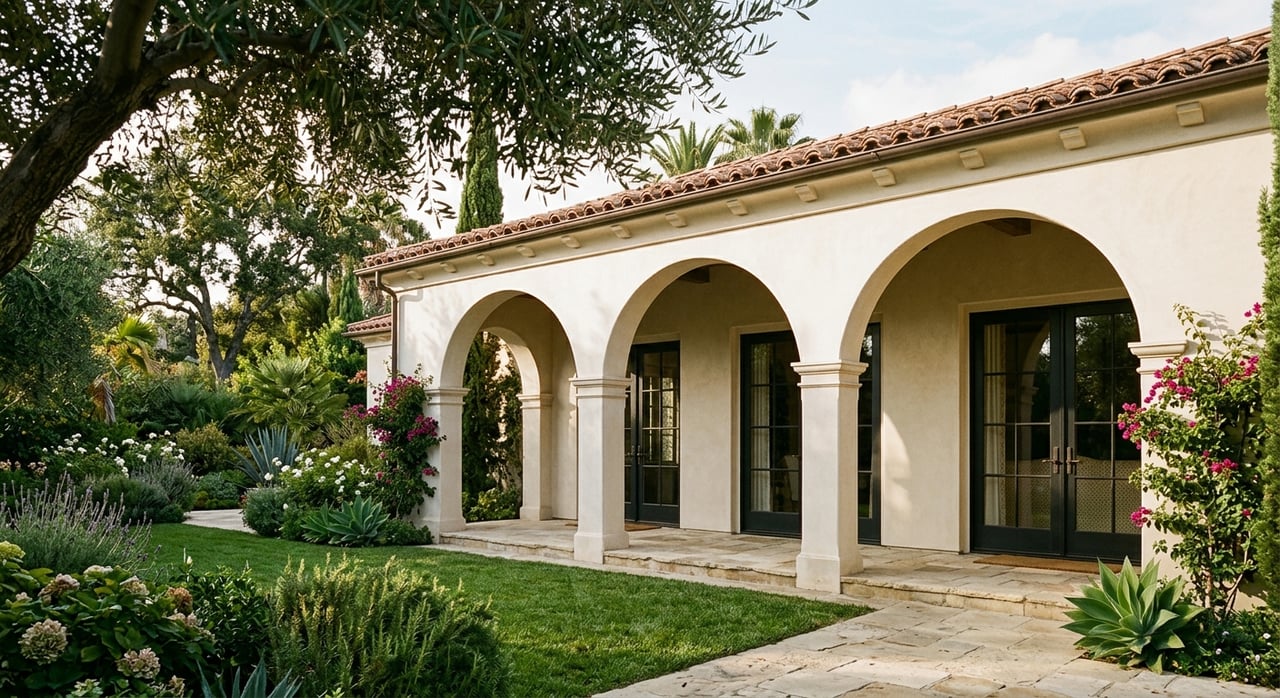
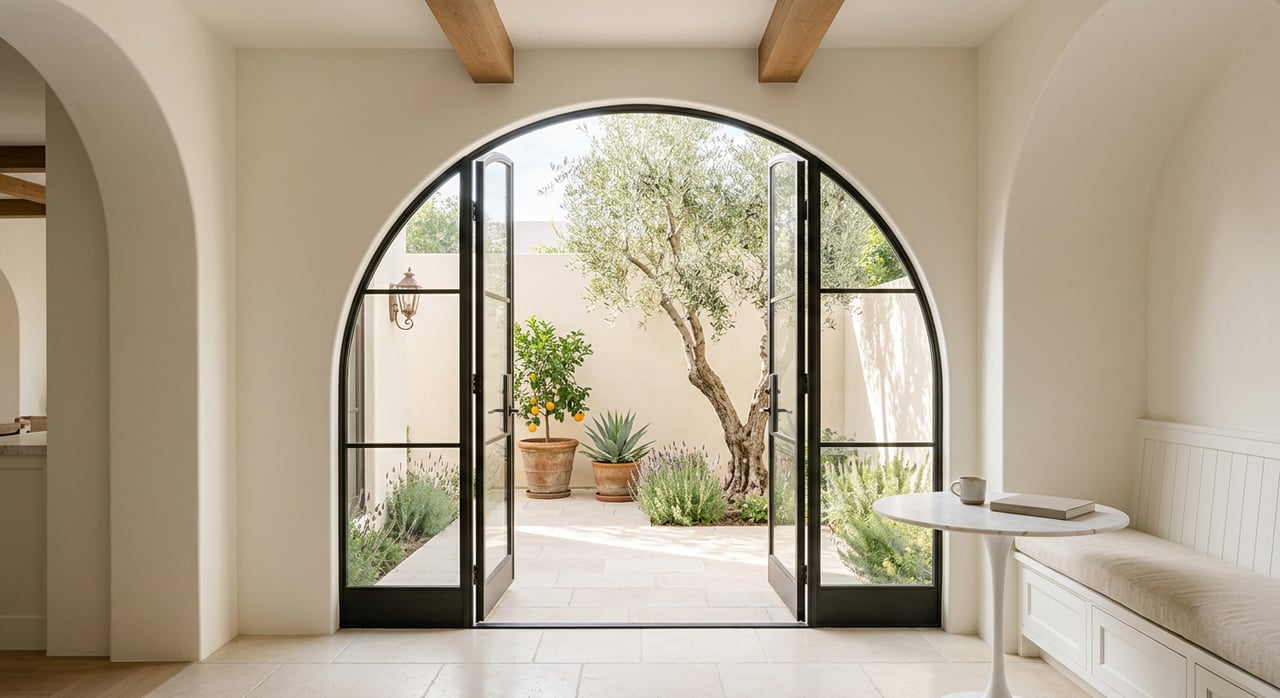
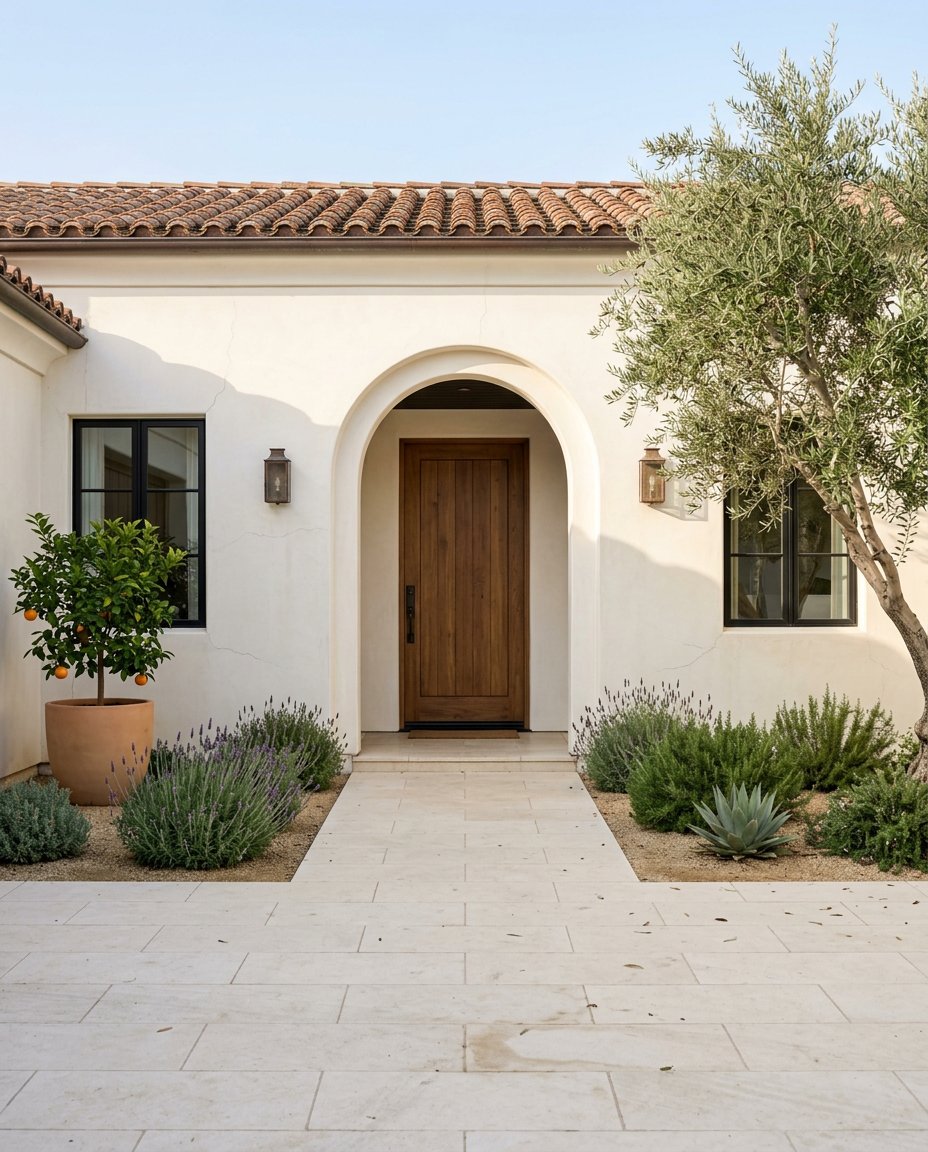
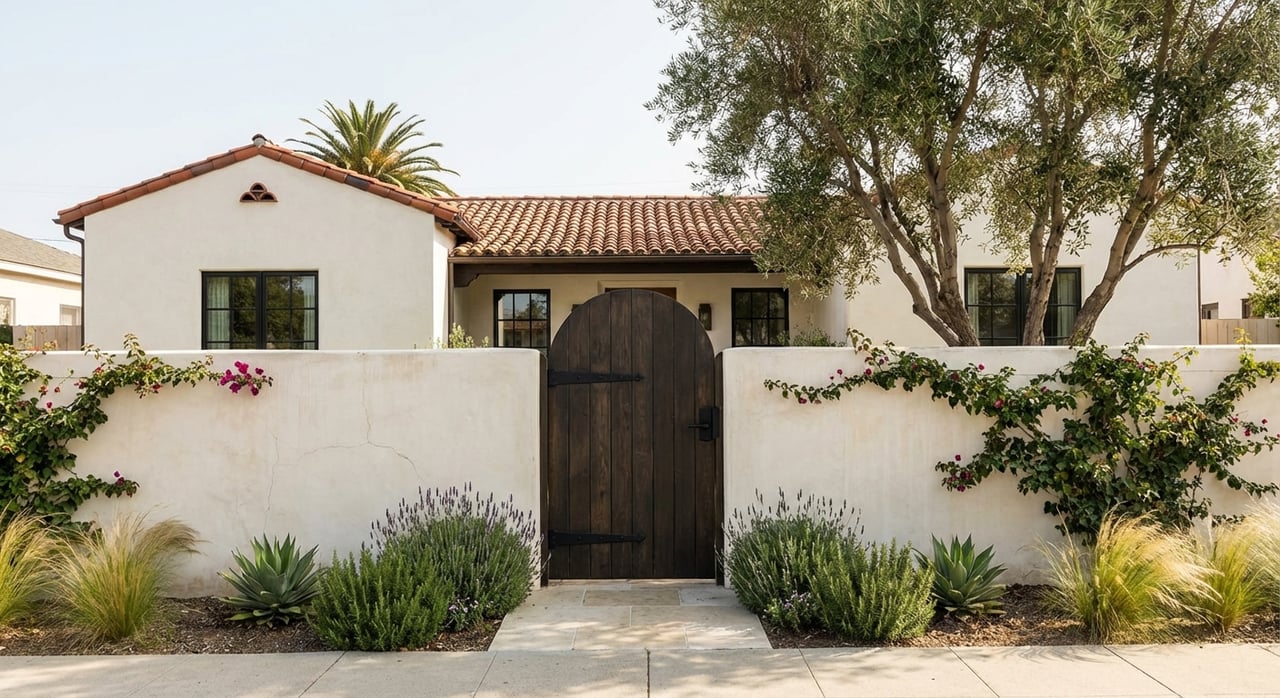
- Architectural character: Authentic Santa Barbara styles like Spanish Colonial Revival or Craftsman, quality custom work, or architect-designed homes can outperform generic builds.
- Walkability and access: Easy access to State Street, restaurants, cultural venues, and beaches often leads to stronger pricing.
- Outdoor living and privacy: Usable decks, patios, outdoor kitchens, mature landscaping, and site orientation that enhances privacy add perceived living space.
- Parking and access: Garages and secure parking matter, especially in areas with tighter street parking or tourist activity.
- Condition and permits: Recent systems upgrades, quality finishes, and fully permitted improvements support higher valuations. Unpermitted additions or deferred maintenance can hold value back and complicate financing.
- Neighborhood context: Proximity to community amenities and neighborhood reputation influences demand. Keep school references neutral and fact-based in your CMA.
Timing, regulations, and appraisability
Seasonal patterns influence attention and days on market. When planning, weigh your timeline against likely buyer activity. Also consider regulatory context. Coastal oversight, zoning, and historic overlays can shape what buyers believe they can change. Be ready with accurate permit history. Appraisers often take a conservative approach when comps are thin, so thorough documentation helps your value case.
Prepare your property and file
Small steps before listing can improve buyer confidence and support your price.
- Tidy landscaping, fresh paint touch-ups, and simple staging to highlight views and outdoor spaces.
- Gather permits, appliance warranties, and upgrade receipts. Systems updates and energy improvements can reassure buyers.
- Confirm accurate square footage, bed and bath counts, parking details, and any HOA or rental rules.
What to provide for a custom valuation
- Full address and APN, year built, gross living area, lot size, bed and bath counts, garage or parking details.
- Detailed description of views and outdoor spaces (for example, ocean view from main living area and primary suite).
- Recent improvements with dates and copies of permits.
- Current photos and a floor plan if available.
- Desired sale timeline and flexibility on move-out.
- Any known encumbrances, HOA guidelines, or rental limitations.
Your custom pricing plan
A tailored plan should include recent closed comps with adjustments, active competitors, and withdrawn listings for context. Expect a recommended list price with a price band and a clear fallback plan. You should also see an estimated days-on-market range and a marketing timeline that prioritizes early momentum.
If privacy is a priority, ask about a discreet launch or pocket-listing pathway to test the market with controlled exposure. For unique or high-value homes, this can complement a public strategy once pricing is dialed in.
AVMs, appraisals, and local insight
Online automated valuations are a helpful starting point, but they often miss Santa Barbara nuances like view quality, micro-location, and architectural detail. A robust CMA adds local comps, transparent adjustments, and current competition. If financing is expected, your agent should anticipate appraisal logic and support the price with well-documented evidence.
Next steps
Pricing is not guesswork. It is a clear plan grounded in local comps, premium drivers, and your goals for timing and privacy. If you are considering a sale, start with a custom CMA and a pricing strategy that puts your home in the best light from day one.
Ready to talk strategy for your address? Connect with Rachel E Brown to Request a Confidential Market Consultation.
FAQs
How are comps chosen for view homes in Santa Barbara?
- Start near the subject property, then prioritize comps with similar view quality and privacy over distance alone, and document adjustments for partial vs unobstructed views.
Will pricing slightly below market bring multiple offers?
- It can increase interest and showings, but it may leave money on the table if comps support a higher value, so weigh the tradeoff using recent local data.
How do coastal regulations affect value and timing?
- Coastal and local planning rules can limit or lengthen remodel timelines, which affects buyer expectations and pricing, so include permit history in your valuation.
Should I renovate or list as-is in Santa Barbara?
- If upgrades are unpermitted or incomplete, value can suffer, so prioritize high-impact, permitted fixes and gather documentation to support appraisal and buyer confidence.
When is the best season to list in Santa Barbara?
- Spring is often busiest and late fall or winter slower, but this varies by year and submarket, so base timing on current comps and your personal timeline.
What paperwork helps my appraisal and buyer confidence?
- Provide permits, upgrade receipts and dates, accurate square footage, HOA or rental rules, and clear descriptions of views, parking, and outdoor spaces.