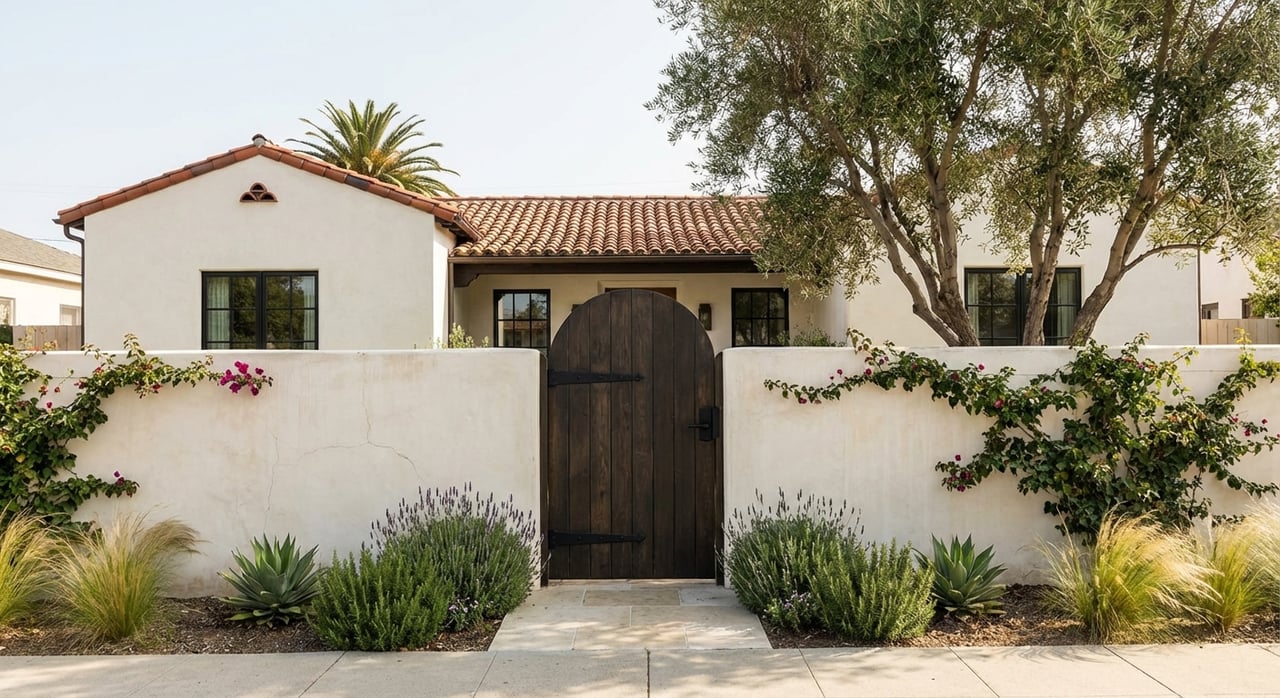
Wish the perfect Carpinteria home would stop selling before you can see it? You are not alone. In this small coastal market, limited land and strong year‑round demand keep inventory tight and timelines short. In this guide, you will learn how the market moves, what to watch, and how to structure a confident offer whether you prefer a beach‑adjacent condo or a cottage on a quiet street. Let’s dive in.
What drives Carpinteria’s market
Carpinteria is a high‑amenity beach town with very little room to build. Coastal regulations, zoning, and environmental protections restrict new supply, which keeps listings scarce compared with inland areas. Demand comes from full‑time residents, second‑home buyers, and seasonal visitors who love the walkable, low‑key lifestyle.
Activity usually picks up from late spring through early fall. Sellers often time listings for these months, and buyers arrive in greater numbers. In the cooler months, you may see fewer options, but you can face less competition.
Key metrics to watch
Tracking a few simple indicators will help you read conditions and avoid overpaying.
- Months of inventory (MOI): Under 3 months often favors sellers, 3 to 6 months is more balanced, and over 6 months favors buyers. Small coastal towns often run lean.
- Median price and price per square foot: Use these to compare ocean‑proximate properties with homes a few blocks inland.
- Days on market (DOM): Short DOM can mean multiple offers. Rising DOM can signal a seasonal slowdown or cooling.
- Sale‑to‑list price ratio: Shows how close final prices come to list, which hints at negotiation room.
- New listings, pendings, and closed sales: This pipeline view reveals momentum and whether supply is being absorbed quickly.
- Inventory mix: Note the split between condos and single‑family cottages and which price bands are active.
Seasonal timing plays a role
If you shop in late fall and winter, you can run into fewer bidders and more flexible sellers. The tradeoff is fewer choices and the need to move quickly when a fit appears. In spring and summer, you will see more listings and more competition. Decide which matters more to you: selection or leverage.
Micro‑markets: condos vs cottages
Carpinteria is a set of micro‑markets rather than one uniform scene. Understanding these differences will sharpen your search and your offer.
Beach‑adjacent condos
- Who buys them: Empty nesters, retirees, second‑home buyers, and investors where allowed.
- Why they are popular: Proximity to the beach, views, walkability, and lower maintenance.
- Costs to expect: Entry prices can be lower than single‑family homes, but HOA dues, special assessments, and insurance can raise your monthly cost. HOAs may regulate rentals and exterior changes.
- Liquidity and risks: These condos can sell quickly when HOA rules support long‑term or permitted rentals. Coastal exposure can mean higher insurance, corrosion from salt air, and potential flood or erosion risks.
- Financing notes: Lenders review project eligibility. Some buildings are not eligible for certain loans, and HOA financial health can affect your options.
Cottage‑style single‑family homes
- Who buys them: Primary‑residence buyers who value a private yard, parking, and room to expand.
- Why they are popular: You control the lot and avoid most HOA rules.
- Costs to expect: Purchase prices often run higher for similar square footage, but monthly HOA costs are typically minimal or zero. Maintenance, property taxes, and insurance remain key budget items.
- Liquidity and risks: Well‑kept cottages can sell quickly, but highly unique layouts may take longer. Appraisals can be tricky if nearby sales are limited.
- Financing notes: Sparse comparables can lead to appraisal challenges or higher down payment requests.
Due diligence that matters on the coast
Prepare early so surprises do not derail your purchase.
- HOA documents for condos: Review CC&Rs, financials, meeting minutes, reserve studies, insurance certificates, and any special assessments.
- Flood and coastal hazards: Check flood designations and local coastal advisories. Confirm elevation and any history of storm or flood events when relevant.
- Insurance quotes: Obtain estimates for hazard and, when needed, flood or wind coverage. Premiums can be higher near the water.
- Zoning and permits: Verify permitted uses, past permits, and any planned changes with the City of Carpinteria.
- Inspections: For seaward or hillside properties, add specialized evaluations such as roof, moisture, termite, and geotechnical reviews.
- Title and disclosures: Look for prior coastal damage, past repairs, and any insurance claim history.
Offer strategies that work here
Start by reading the current context with local data. If MOI is low and DOM is short, plan for competition. If DOM is rising and inventory is building, you can seek more concessions.
Tactics for beach‑adjacent condos
- Get full pre‑approval, and confirm the condo project is eligible with your lender.
- Review HOA rules and insurance estimates early so you can bid with confidence.
- Consider stronger terms when competition is high, such as an escalation clause, a larger earnest deposit, or shortened but safe contingency periods.
- If you need financing, prepare for potential appraisal gaps by discussing options with your lender in advance.
Tactics for cottage‑style homes
- Use hyper‑local comps and be ready to support value on appraisal with recent neighborhood sales.
- When inspections reveal issues you can handle, request credits or repair allowances instead of large price cuts.
- For properties with known coastal or septic items, include clear contingency language that requires acceptable disclosures and permit history.
- Offer flexibility on closing or a rent‑back if the seller needs time, which can improve your position without raising price.
Common negotiation levers
- Earnest money: A higher deposit signals commitment but increases your risk if contingencies are removed.
- Contingencies: Waiving or shortening them can win deals but raises financial and discovery risks.
- Closing timeline: Align with the seller’s schedule when possible.
- Escalation clauses: Set a clear cap and documentation.
- Appraisal gap coverage: Define a fixed amount or percentage so both sides know the cushion.
How local representation gives you an edge
A local, data‑driven approach matters in Carpinteria’s micro‑markets. You benefit when your agent can source opportunities early, read HOA and insurance risk, and negotiate terms that fit coastal realities. With a private‑listing program, curated alerts, and experience navigating complex deals, you can move faster and with more certainty.
If you want access to both public and discreet opportunities, personalized guidance on micro‑markets, and steady execution from offer to close, connect with Rachel E Brown for a calm, strategic plan.
Quick buyer checklist
- Pull recent MLS neighborhood reports for DOM, MOI, sale‑to‑list ratios, and comps.
- Price your must‑haves: parking, outdoor space, rental flexibility, and walkability.
- For condos, secure HOA documents and project eligibility confirmation early.
- Obtain preliminary insurance quotes, including flood if indicated.
- Schedule targeted inspections based on location and construction type.
- Align financing, appraisal strategy, and contingency timelines before you bid.
- Decide in advance which levers you are willing to use: deposit size, timelines, credits, escalation, or appraisal coverage.
FAQs
Are bidding wars common in Carpinteria?
- Highly desirable beach‑proximate condos and move‑in ready cottages can attract multiple offers, especially during spring and summer.
Are condos cheaper than cottages in Carpinteria overall?
- Entry prices for condos may be lower, but HOA dues, insurance, and any assessments can raise monthly costs compared with a cottage that has little to no HOA expense.
Can I insure a beachfront home in Carpinteria?
- Often yes, but premiums and coverage terms vary by location and exposure, and some properties require separate flood or wind policies.
Are short‑term rentals allowed in Carpinteria condos?
- It depends on both local ordinances and your HOA’s rules, so verify both before assuming any rental income.
Will appraisals be a problem near the beach?
- They can be challenging when comparable sales are scarce, so plan for appraisal conversations early and consider strategies like appraisal gap coverage if needed.