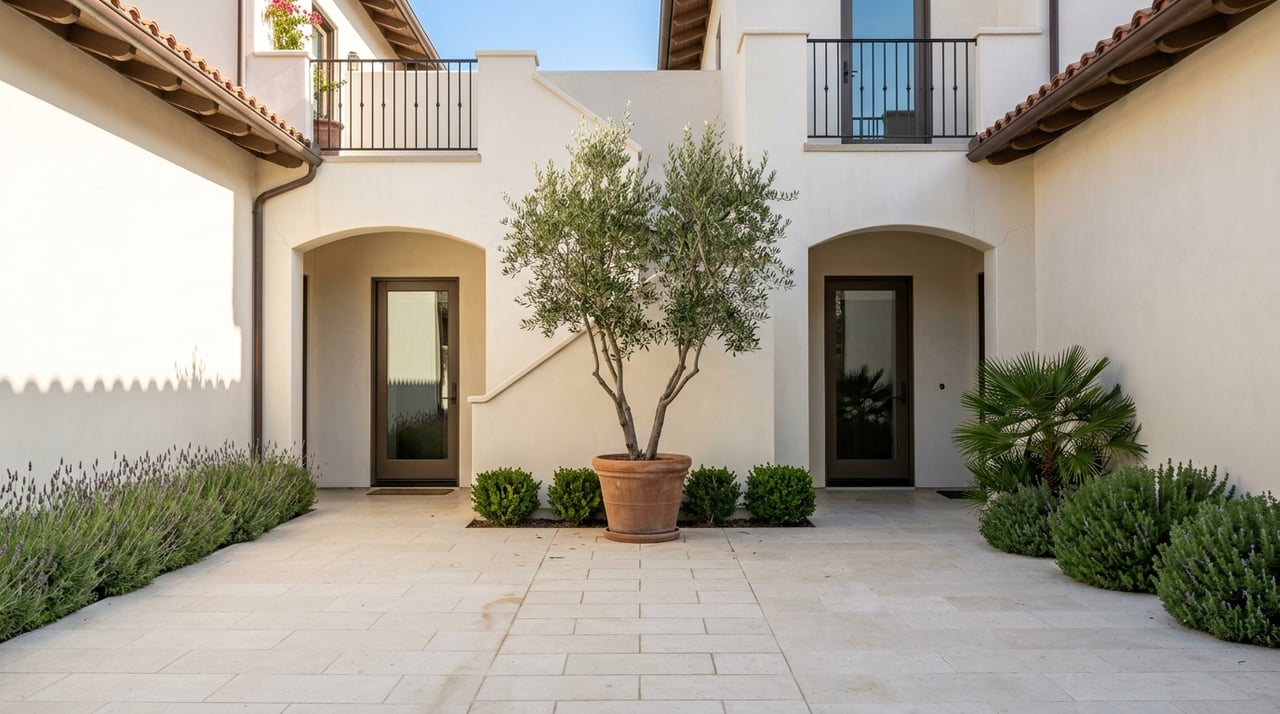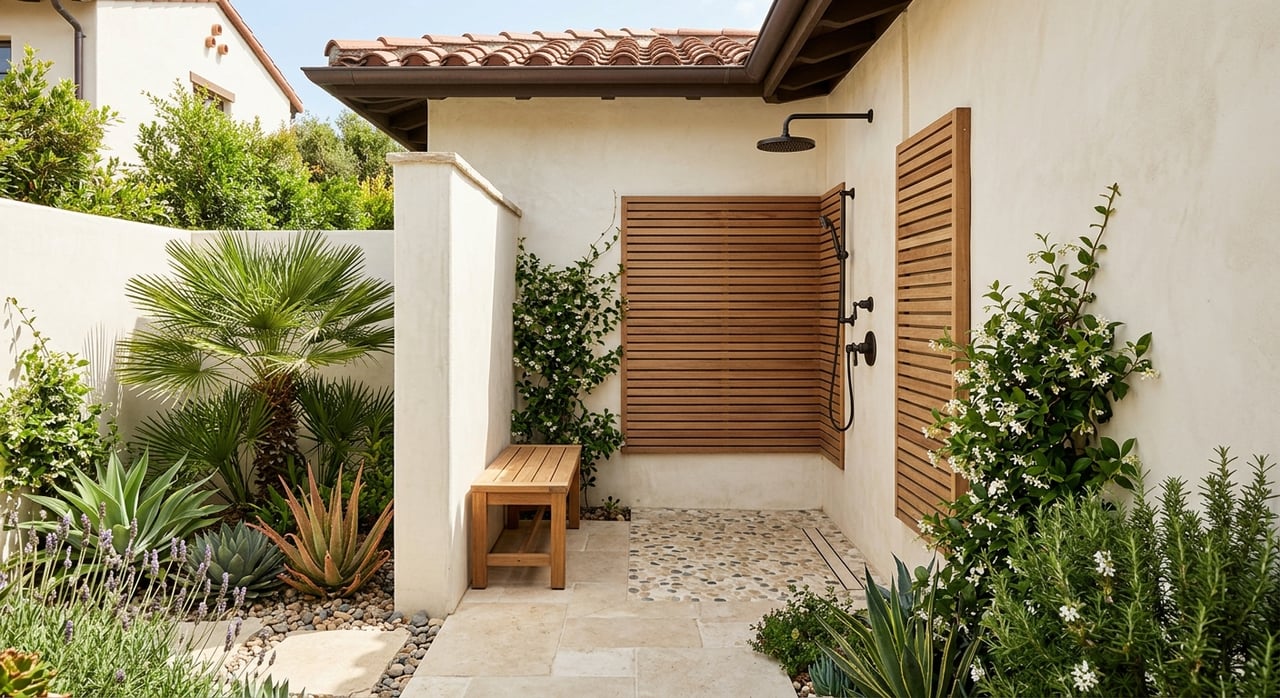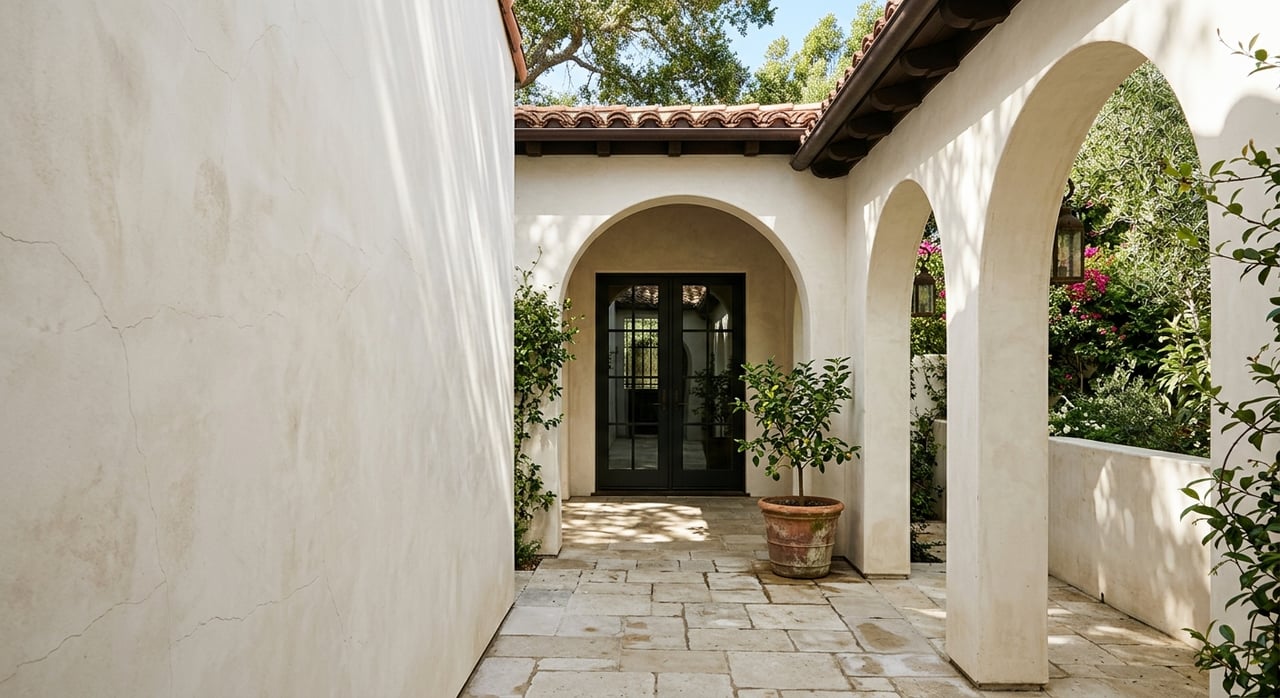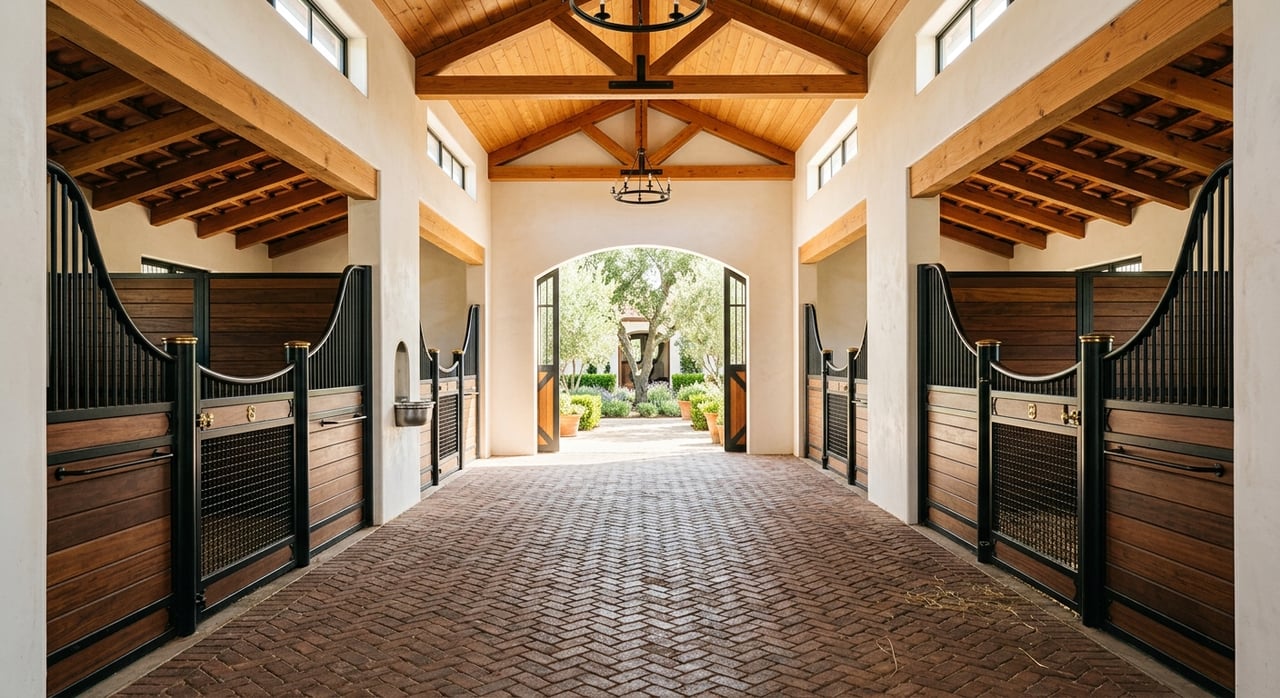
If you are getting ready to sell an equestrian property in Hope Ranch, presentation means more than curb appeal. Buyers in this market are not only looking at the home itself. They are also paying close attention to horse facilities, trail access, privacy, documentation, and how easily the property can be understood from day one. In a community where equestrian use is part of the lifestyle and the rules matter, thoughtful preparation can help your property stand out for the right reasons. Let’s dive in.
Why preparation matters in Hope Ranch
Hope Ranch is a unique residential community with a private road system, private patrol services, a regulated beach, and more than 22 miles of bridle trails, according to the Hope Ranch governing documents. It is also treated as a pedestrian and equestrian community, which means property access, trail use, and showing logistics require more planning than a typical residential listing.
That added care makes sense in the current market. In UCSB’s March 2025 housing outlook, Hope Ranch had the highest median list price in Santa Barbara County at $3,955,625, compared with a countywide median home price of about $1.41 million. At this price point, buyers expect a premium property that feels polished, well-managed, and easy to evaluate.
Start with compliance and records
Before you schedule photography or launch marketing, confirm that the property’s horse facilities and exterior improvements are properly documented. The Hope Ranch Rule Book states that essentially all exterior construction or renovation requires review by the Association’s building administrator, so buyers may want more than verbal descriptions when they review barns, paddocks, fencing, lighting, drainage, or arena work.
Santa Barbara County also offers permit applications and permit-record tools, which can help you gather or reconstruct records. If you have made changes over the years, this is the time to organize permits, HOA approvals, plans, inspection records, and contractor invoices into one clear file.
That file can do a lot of heavy lifting during the sale. It helps answer questions early, supports value, and reduces uncertainty for serious buyers who want to know exactly what was built, approved, and maintained.
What buyers often want to verify
Buyers of Hope Ranch equestrian properties often ask practical questions such as:
- How many horses can the property support under current HOA rules?
- Were the barn, arena, fencing, drainage, or grading improvements permitted?
- Has any horse use on the property been commercial?
- Can the property be shown without disrupting animals or the surrounding area?
If you can answer these questions quickly and clearly, your listing will feel more credible and more turnkey.
Confirm horse-use rules before listing
Hope Ranch horse properties appeal to a specific buyer, but the details matter. Under the Hope Ranch Rule Book, the maximum number of horses is generally 2.178 per acre, with a cap of five horses per lot, except for parcels tied to the Laguna Blanca Declaration, which may have additional requirements.
The Rule Book also states that horse corrals or other horse facilities may not be rented to others unless the entire lot is leased to the renter. It further frames horses and household animals as noncommercial uses. If the property has ever been used for boarding, training, or another income-producing activity, it is wise to clarify that history before going to market.
This step matters because buyers are not only buying amenities. They are also buying confidence in how the property can be used.
Clean horse facilities to a higher standard
A standard residential cleaning checklist is not enough for an equestrian listing in Hope Ranch. Barns, paddocks, corrals, arenas, tack rooms, wash areas, and feed storage all shape a buyer’s impression of how the property has been cared for.
The Hope Ranch Rule Book requires manure pickup at least every three days, covered disposal containers, and regular removal from the Ranch. If on-site composting is used, the permit must already be in place. For sellers, that means odor control, fly control, swept aisles, fresh bedding or footing, and orderly storage should be handled before photos and every showing.
Key areas to prepare
Focus on the spaces buyers will inspect most closely:
- Barn aisles and stall fronts
- Tack and feed rooms
- Corrals and paddocks
- Riding arena surfaces and edges
- Fencing, gates, and latches
- Drainage paths and water flow areas
- Manure and disposal areas
Cleanliness here does more than improve appearance. It signals day-to-day management, maintenance quality, and operational ease.
Highlight documented improvements
In a niche market like Hope Ranch, buyers tend to value usable land and functional improvements just as much as finishes inside the home. If your property includes grading, drainage work, fencing, arena lighting, or a composting area, make sure those upgrades are described with documentation behind them.
This is especially important because the strongest marketing points are usually the ones that can be verified. Trail access, privacy, land utility, and documented equestrian improvements are often more persuasive than broad lifestyle claims.
A well-prepared seller packet can help your property read as a complete asset rather than a collection of features. That distinction can be meaningful in a premium market.
Plan showings around privacy and horses
Showing strategy is a major part of preparing an equestrian property in Hope Ranch. According to the Rule Book, guest use of bridle trails is by member invitation and accompaniment, trailers are to be parked on the host member’s property, motor vehicles are generally not allowed on bridle trails, and interior trails between private properties are for riders only to preserve privacy and security.
For sellers, that supports an appointment-only approach with deliberate routing and clear arrival instructions. Instead of casual drop-ins or loosely managed open traffic, the goal is to create a controlled experience that protects both the property and the community setting.
A practical showing plan
A strong showing plan often includes:
- Scheduling visits around feeding, turnout, and riding routines.
- Giving buyers specific parking and arrival instructions.
- Limiting overlap between buyers, vendors, pets, and horses.
- Identifying which areas of the property should be viewed only with guidance.
- Preparing a simple summary of trail access, facilities, and approvals.
This approach helps the property feel calm, functional, and respectful of the animals on site.
Keep access and circulation simple
The Hope Ranch Rule Book describes the community as a pedestrian and equestrian area with many blind spots and corners, and most roads have a 25 mph limit. That context supports slower arrival windows and more intentional coordination for every showing.
Even small details matter here. If several cars arrive at once, if a delivery overlaps with a tour, or if horses are being moved between areas, the property can quickly feel less orderly than it really is. A simple, paced schedule helps avoid that problem.
For occupied properties, this kind of planning is especially valuable. It protects privacy while keeping the showing experience smooth for serious buyers.
Prepare for limited on-site signage
Many sellers assume a large sign or multiple directional signs will do part of the marketing work. In Hope Ranch, signage is more limited. The Rule Book states that no commercial signs may be posted without management approval, and only one temporary open-house sign is allowed while an open house is in progress, located at or near the driveway entrance.
That means your marketing plan should not depend on heavy on-site exposure. Instead, the property should be ready for thoughtful digital marketing, private appointments, and, when appropriate, discreet promotion through a controlled listing strategy.
For privacy-minded sellers, this can actually be a benefit. A carefully managed launch often aligns well with Hope Ranch’s setting and buyer expectations.
Have an animal safety plan ready
If horses will remain on the property during the listing period, it is smart to prepare for more than routine showings. Santa Barbara County offers a voluntary Large Animal & Livestock Owner Registry that helps emergency responders know where animals are and what support may be needed for evacuation or sheltering.
A basic relocation or evacuation plan is helpful if showings overlap with weather events, wildfire concerns, or transport needs. It also reassures buyers that the property has been managed with care and foresight.
Position the property as turnkey
The best-prepared Hope Ranch equestrian listings tend to present a simple message: this property is clean, compliant, documented, and easy to understand. That does not mean every improvement needs to be new. It means the property feels maintained, the horse setup is orderly, and the supporting records are ready.
In a market as specialized as Hope Ranch, presentation is part of the proof of value. Buyers are often willing to pay for clarity, privacy, and ease just as much as visual appeal.
If you are preparing an equestrian property for sale in Hope Ranch, a tailored strategy can make a meaningful difference. For thoughtful guidance, discreet marketing options, and local insight, connect with Rachel E Brown to request a confidential market consultation.
FAQs
How should you prepare a Hope Ranch equestrian property before listing?
- Start by verifying HOA and county compliance, then clean and stage horse facilities, gather permits and improvement records, and build a showing plan around privacy and animal routines.
How many horses can a Hope Ranch property have?
- Under the Hope Ranch Rule Book, the general formula is 2.178 horses per acre with a maximum of five horses per lot, though some parcels tied to the Laguna Blanca Declaration may have additional requirements.
What records should you gather for a Hope Ranch horse property sale?
- Try to assemble HOA approvals, county permits, plans, inspection records, and contractor invoices for barns, arenas, fencing, grading, drainage, lighting, composting, and other exterior improvements.
How should showings work for a horse property in Hope Ranch?
- Showings are best handled by appointment with clear arrival and parking instructions, limited overlap with horse routines, and a controlled path through the property that respects privacy and community access rules.
Are open-house signs allowed for a Hope Ranch property sale?
- The Hope Ranch Rule Book says commercial signs require management approval, and only one temporary open-house sign is allowed during an open house at or near the driveway entrance.
Why does documentation matter when selling an equestrian property in Hope Ranch?
- In a premium market, documentation helps buyers understand what was built, approved, and maintained, which can reduce uncertainty and strengthen the property’s presentation as a turnkey asset.